

You’re stuck in the middle of your day when that sharp, shooting pain fires down your leg. Or maybe it’s the dull ache that won’t quit no matter how you shift in your chair. Either way, you’ve got one question: how long until this actually goes away?
Here’s the honest answer from someone who’s guided hundreds of patients through pinched nerve recovery at Connecticut Advanced Spine — most pinched nerves in your back heal within four to six weeks with the right approach. But that timeline changes dramatically based on what you do in the first week, how severe the nerve compression is, and whether you’re treating the root cause or just masking symptoms.
Dr. Ashish Upadhyay has seen patients walk in after months of ignoring early warning signs, turning what could’ve been a two-week recovery into a surgical conversation. The difference between a fast recovery and chronic pain often comes down to recognizing what’s happening early and acting on it correctly.
Let’s break down exactly what determines your healing timeline and what you can actually do to speed things up without wasting time on treatments that don’t work.
What Actually Happens When a Nerve Gets Pinched
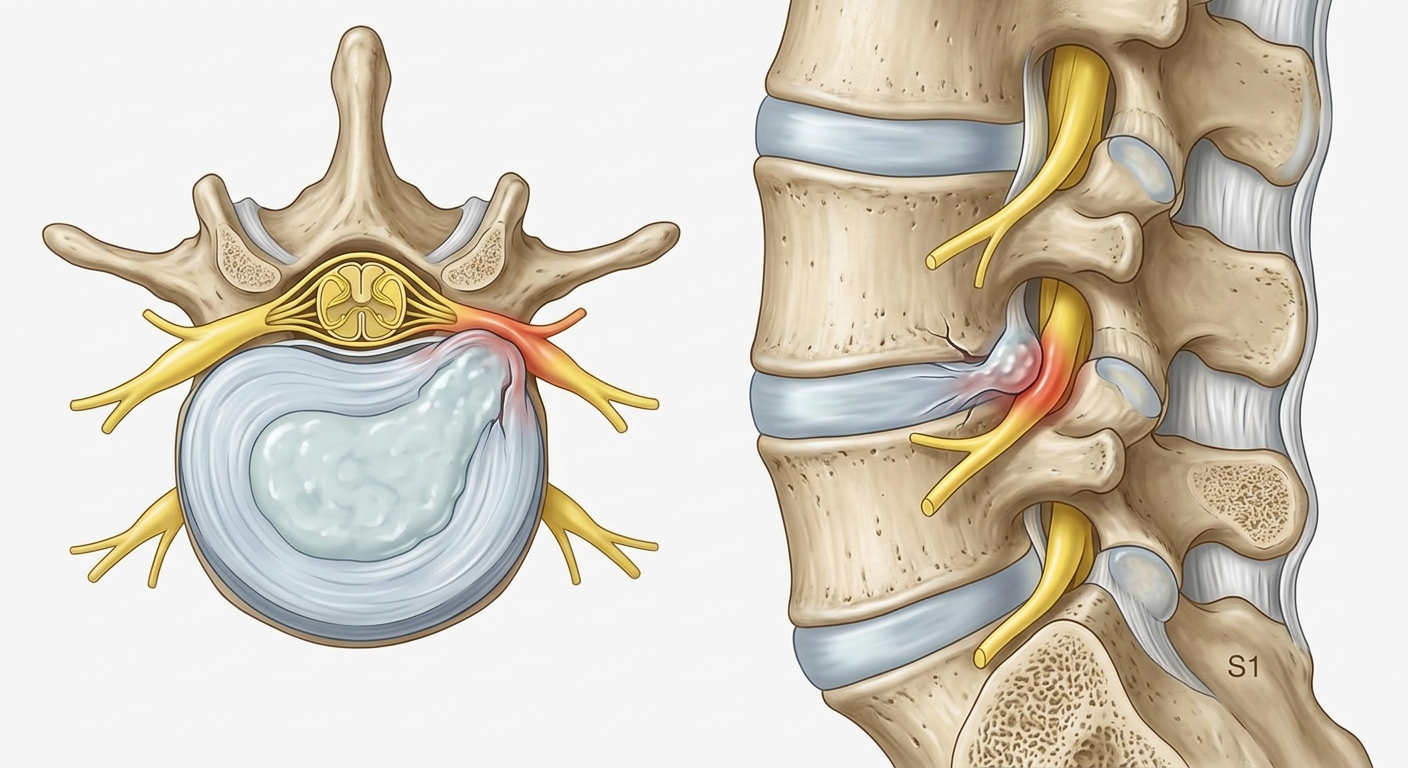
A pinched nerve in your back means something is pressing on a nerve root as it exits your spinal column. That something could be a herniated disc, bone spurs from spinal stenosis, inflammation from an injury, or even muscle tension that’s compressing the nerve pathway.
The pain you feel isn’t just in your back. It radiates. Down your leg. Into your buttock. Sometimes you get numbness or tingling in your foot. That’s because the nerve carries signals from your spine all the way down your limb, and when it’s compressed at the source, the symptoms show up downstream.
What most people don’t realize is that the nerve itself isn’t always damaged — it’s just irritated from the pressure. Remove the pressure, reduce the inflammation, and the nerve starts functioning normally again. That’s why recovery timelines vary so much. Mild compression with minimal inflammation resolves fast. Severe compression with nerve damage takes months.
We’ve had patients come into our Bristol clinic after trying everything — chiropractors, massage, stretching — without understanding the severity of their compression. An MRI showed a herniated disc pushing directly on the L5 nerve root. That’s not something you stretch away. That’s a case where targeted treatment, sometimes including spinal injections or surgery, becomes the faster path to relief.
Average Recovery Timeline for a Pinched Nerve in Your Back
Most pinched nerves in the lower back heal spontaneously within one to two weeks if the compression is mild and you rest appropriately. But here’s where it gets tricky — “rest appropriately” doesn’t mean lying in bed for a week. It means avoiding movements that aggravate the nerve while staying gently active.
If your symptoms persist beyond two weeks, you’re looking at a longer recovery. Moderate cases typically resolve within four to six weeks with conservative treatment. That includes physical therapy, anti-inflammatory medications, and activity modification.
Severe cases — especially those involving significant disc herniation, spinal stenosis, or nerve damage — can take eight to twelve weeks or longer. Some never fully resolve without surgical intervention. That’s the reality we don’t sugarcoat at Connecticut Advanced Spine. If conservative treatment isn’t working after six weeks, it’s time to reassess your approach.
Pinched nerves in the neck follow a similar but slightly longer timeline. Most cervical radiculopathy cases heal within eight to twelve weeks. The neck is more mobile than the lower back, which means it’s harder to truly rest the affected area.
The common mistake we see is patients waiting too long to get imaging or professional evaluation. They assume time alone will fix it. Sometimes it does. But when it doesn’t, they’ve lost weeks or months of quality of life that could’ve been recovered with earlier intervention.

What Slows Down Your Recovery
Ignoring early symptoms is the biggest recovery killer. That mild ache you felt three months ago was your body signaling a problem. You pushed through it. Now the inflammation is chronic, the nerve is more compressed, and healing takes exponentially longer.
Poor posture and repetitive movements keep re-aggravating the nerve. If your job involves prolonged sitting or heavy lifting and you don’t modify those activities, you’re essentially restarting the injury cycle every day. Recovery time extends indefinitely.
Obesity increases pressure on your lower spine. More weight equals more compression on discs and nerve roots. That’s not a judgment — it’s biomechanics. Losing even 10 to 15 pounds can reduce spinal load and accelerate healing.
Smoking restricts blood flow to spinal tissues. Nicotine constricts blood vessels, which slows the delivery of oxygen and nutrients needed for nerve and disc repair. Smokers consistently take longer to heal from pinched nerves than non-smokers.
Skipping physical therapy or doing exercises incorrectly wastes time. You need targeted movements that decompress the nerve and strengthen supporting muscles. Random stretching or following a generic YouTube routine rarely addresses your specific compression pattern.
Dr. Upadhyay often tells patients that recovery isn’t just about time — it’s about removing the obstacles. You can wait six weeks doing nothing and still have symptoms, or you can spend six weeks actively treating the cause and be pain-free.
Conservative Treatments That Actually Work
Rest doesn’t mean complete inactivity. It means avoiding positions and movements that worsen your symptoms. If bending forward hurts, don’t bend forward. If sitting aggravates your leg pain, stand more often. Strategic rest paired with gentle movement works better than bed rest alone.
Physical therapy is your most reliable non-surgical tool. A skilled therapist will use specific exercises to reduce nerve compression — extension-based movements for disc herniations, nerve gliding exercises to reduce adhesions, and core strengthening to stabilize your spine. Most patients see measurable improvement within two to three weeks of consistent therapy.
NSAIDs like ibuprofen or naproxen reduce inflammation around the nerve. They don’t heal the compression, but they lower the chemical irritation that amplifies pain signals. Use them strategically during the acute phase, not indefinitely.
Spinal injections — particularly epidural steroid injections — can dramatically reduce inflammation around a compressed nerve root. When oral medications aren’t cutting it, a targeted injection often provides relief within days and creates a window for physical therapy to work more effectively. We use these frequently at our Bristol clinic for patients whose pain is limiting their ability to participate in rehab.
Ice and heat are basic but underrated. Ice reduces acute inflammation in the first 48 to 72 hours. Heat relaxes muscle spasms and improves blood flow during the subacute phase. Alternate them based on what your body responds to, not what a blanket guideline says.
Modifying daily activities is non-negotiable. If your job requires sitting, set a timer to stand every 30 minutes. If you lift heavy objects, use proper mechanics or get help. If you sleep on your stomach and wake up with worse pain, switch positions. Small adjustments compound over weeks.
When Conservative Treatment Isn’t Enough
If your pain isn’t improving after six weeks of conservative care, something bigger is going on. That’s the honest cutoff where Dr. Upadhyay recommends advanced imaging and a surgical consultation — not because surgery is inevitable, but because waiting longer rarely changes the outcome if the nerve is severely compressed.
Progressive weakness is a red flag. If your foot is starting to drop, if you can’t stand on your toes or heels, or if you’re losing muscle mass in your leg, the nerve is being damaged beyond just irritation. That’s not something you wait out. Nerve damage can become permanent if compression continues too long.
Cauda equina syndrome is a medical emergency. If you suddenly lose bowel or bladder control, develop numbness in your groin or inner thighs, or have severe weakness in both legs, you need immediate evaluation. This is rare but serious — it means multiple nerve roots at the base of your spine are severely compressed and requires urgent surgical decompression.
Minimally-invasive spine surgery has changed the landscape for pinched nerve treatment. Procedures like microdiscectomy for herniated discs or laminectomy for spinal stenosis decompress the nerve with smaller incisions, less tissue damage, and faster recovery than traditional open surgery. Most patients are walking the same day and back to light activity within weeks.
We’ve had patients at Connecticut Advanced Spine who spent a year trying every conservative treatment, afraid of surgery, only to wish they’d done it sooner once they experienced relief. Surgery isn’t failure — it’s a tool for cases where the anatomy won’t heal on its own.
What Realistic Recovery Looks Like Week by Week
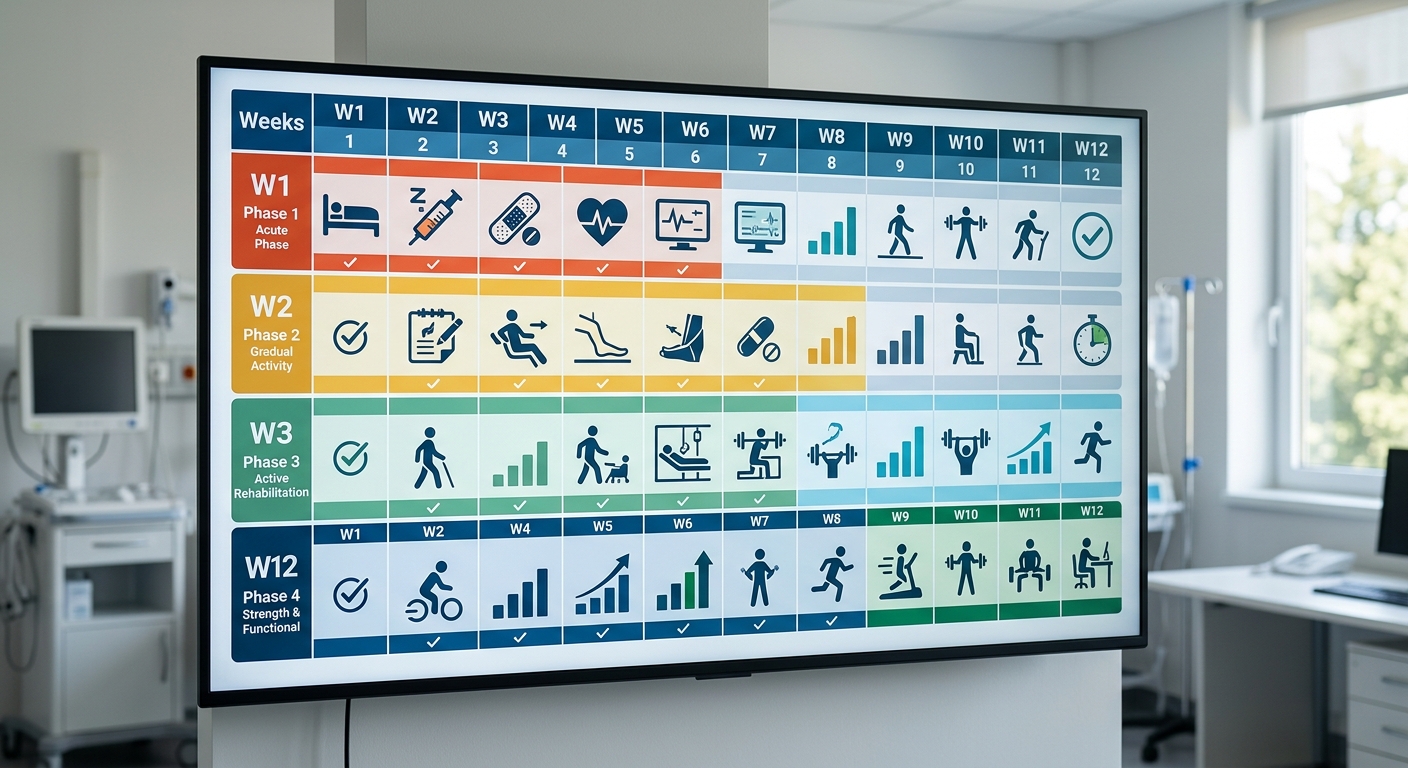
Week one to two — you’re managing acute pain. Focus on rest, ice, anti-inflammatories, and gentle movement. Don’t push through sharp pain. This is the phase where early intervention matters most. If pain is severe or radiating intensely down your leg, get evaluated early.
Week three to four — inflammation should be decreasing. You’ll start physical therapy if you haven’t already. Pain may still be present but should be less intense. You’re learning which movements help and which aggravate symptoms. This is where many patients get impatient and overdo it, setting themselves back.
Week five to six — most mild to moderate cases see significant improvement here. You’re moving more freely. Radiating pain is lessening or gone. You still have some residual discomfort, but it’s manageable. If you’re not noticeably better by this point, it’s time for imaging or specialist consultation.
Week eight to twelve — this is the tail end for stubborn cases. Chronic inflammation takes longer to fully resolve. You might still have occasional twinges or end-of-day stiffness, but severe pain should be gone. If it’s not, conservative treatment has likely reached its limit for your case.
How to Prevent a Pinched Nerve from Coming Back
Core strengthening is your best long-term insurance. Weak abdominal and back muscles force your spine to carry load it wasn’t designed for. A strong core stabilizes your spine and reduces stress on discs and nerve roots. You don’t need a gym membership — planks, bridges, and bird dogs done consistently work.
Posture awareness prevents repetitive compression. If you sit hunched over a computer eight hours a day, your spine is constantly flexed forward, increasing disc pressure. Set up an ergonomic workstation. Use a lumbar support. Stand and move regularly.
Maintain a healthy weight. Every extra pound you carry adds load to your lumbar spine. Losing weight won’t reverse a herniated disc, but it reduces the likelihood of reinjury and lowers baseline pressure on nerve roots.
Avoid prolonged sitting and static positions. Movement is medicine for your spine. Long drives, airplane trips, and desk work all compress your lower back. Stand, stretch, and change positions frequently.
Lift correctly every single time. Bend at your hips and knees, not your back. Keep heavy objects close to your body. Don’t twist while lifting. These basics prevent the sudden disc injuries that lead to acute nerve compression.
Stay active with low-impact exercise. Walking, swimming, and cycling keep your spine mobile and your muscles conditioned without high-impact stress. Sedentary lifestyles weaken the structures that protect your nerves.
Why Some People Heal Faster Than Others
Age plays a role. Younger patients tend to recover faster because their discs and tissues have better hydration and blood supply. That doesn’t mean older adults can’t heal — it just takes a bit longer and requires more consistent treatment.
Severity of compression determines timeline. A small disc bulge causing mild nerve irritation resolves in days to weeks. A large herniation with significant nerve root compression can take months or require surgery.
Your activity level before injury matters. Patients who were already active and had strong core stability tend to recover faster than sedentary individuals. Their bodies are better equipped to handle rehab and adapt to modified movements.
Genetics influence disc health. Some people are just more prone to disc degeneration and herniation. If your parents had chronic back issues, you’re at higher risk. That means you need to be more proactive with prevention and early treatment.

When to See a Spine Specialist
If your symptoms persist beyond four weeks without significant improvement, that’s your signal to see a specialist. Connecticut Advanced Spine evaluates patients who’ve already tried basic conservative care and need a more targeted approach.
If you’re experiencing severe radiating pain, numbness, or weakness from the start, don’t wait. Early evaluation with MRI imaging identifies the exact cause and severity of compression, allowing you to make informed treatment decisions rather than guessing.
If multiple conservative treatments haven’t worked — physical therapy, medications, injections — you need a specialist to assess whether surgical intervention is appropriate. Waiting too long with severe compression can lead to permanent nerve damage.
Dr. Upadhyay’s approach at our Middle Street clinic in Bristol combines advanced diagnostics with personalized treatment plans. You’re not handed a generic protocol — you get a plan built around your specific anatomy, symptoms, and lifestyle demands.
Frequently Asked Questions
Can a pinched nerve in your back heal on its own?
Yes, most mild to moderate pinched nerves heal spontaneously within one to six weeks with rest and conservative care. Your body naturally reduces inflammation and the disc material compressing the nerve often reabsorbs over time. However, severe compression or cases involving significant nerve damage may not resolve without professional intervention.
How do you know if a pinched nerve is getting worse?
Increasing weakness, progressive numbness, loss of reflexes, or spreading pain are signs the nerve compression is worsening. If you’re unable to lift your foot, stand on your toes, or control bladder and bowel function, seek immediate medical attention. Pain that’s getting more severe despite treatment also warrants re-evaluation.
Does walking help a pinched nerves in your back heal faster?
Gentle walking usually helps by promoting blood flow and preventing stiffness without overloading the spine. Most patients find walking on flat surfaces tolerable and beneficial. However, if walking increases your leg pain or numbness, stop and try shorter distances or use a stationary bike instead. Movement is good, but not if it aggravates nerve symptoms.
What happens if you ignore a pinched nerve in your back?
Ignoring a pinched nerve can lead to chronic pain, permanent nerve damage, muscle atrophy, and progressive weakness. What starts as a recoverable injury can become a long-term disability if the nerve remains compressed too long. Early treatment prevents these outcomes and shortens overall recovery time.
Get Expert Care for Your Pinched Nerve in Bristol
If you’re weeks into back and leg pain without real improvement, it’s time to stop waiting and start treating the actual problem. Connecticut Advanced Spine offers comprehensive evaluation and personalized treatment plans for pinched nerves that aren’t responding to basic care.
Dr. Ashish Upadhyay brings fellowship-trained spine expertise back to the Bristol community, combining advanced diagnostics with both conservative and surgical treatment options. You’ll get clear answers about what’s compressing your nerve and a realistic plan to get you back to normal life.
Call our office on Middle Street in Bristol or schedule an evaluation online. The sooner you address the underlying cause, the faster your recovery starts.