

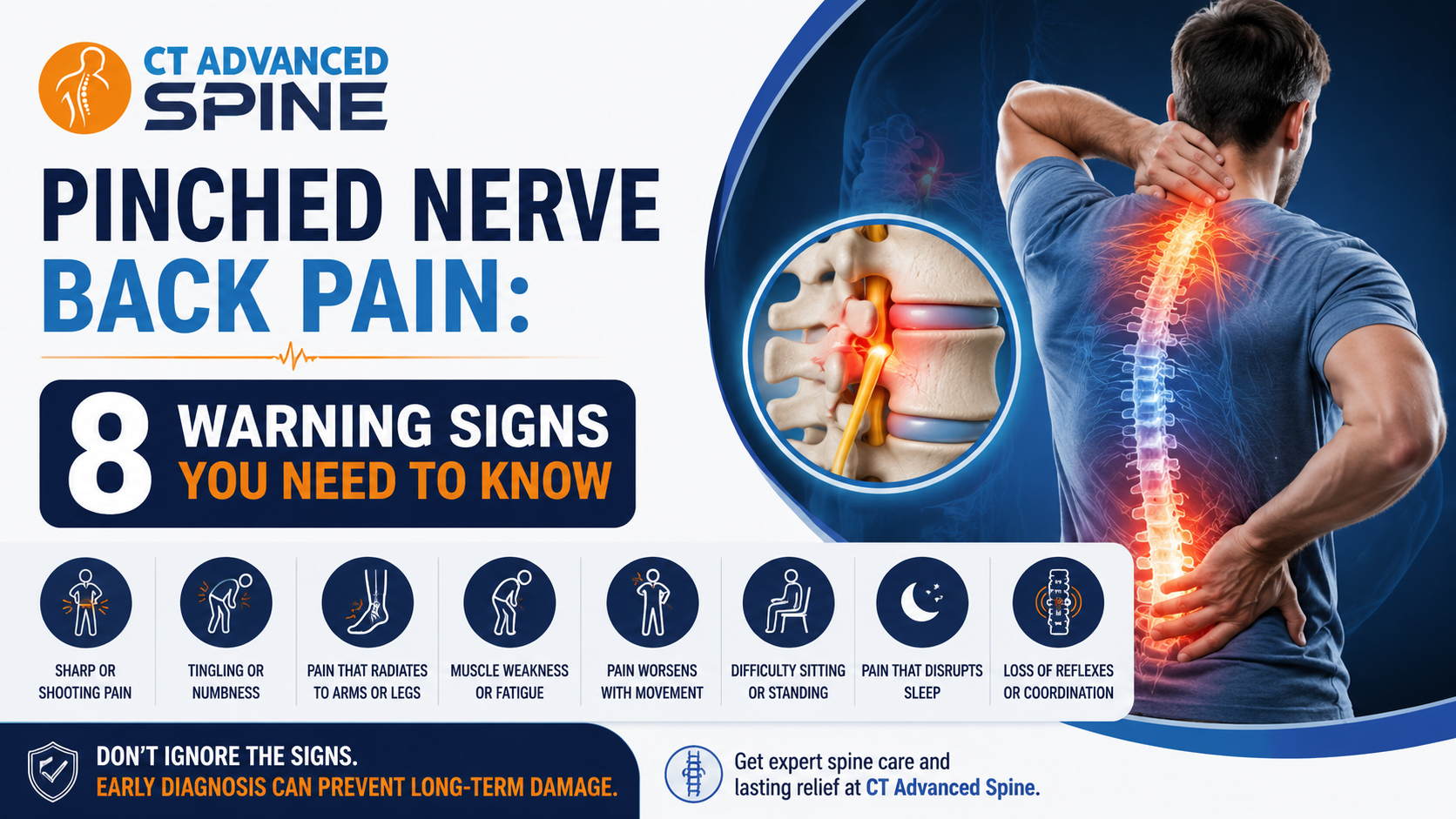
You’ve dealt with back pain before. Maybe you slept wrong, lifted something heavy, or overdid it at the gym. But this time? This feels different.
The pain isn’t just sitting in your back. It’s traveling. Down your leg. Into your arm. You’re getting weird tingling sensations. Your grip feels weaker when you’re holding your coffee mug. And that numbness in your foot — that’s new too.
Here’s what most people don’t realize: back pain and pinched nerve back pain aren’t always the same thing. They can feel similar at first. But a pinched nerve sends very specific signals your body doesn’t usually produce with regular muscle strain or stiffness. Miss these signs, and you might spend weeks treating the wrong problem entirely.
At Connecticut Advanced Spine, we see this confusion constantly. Patients come in after trying heating pads, stretching routines, and over-the-counter pain meds for weeks — sometimes months — without relief. Once we identify the actual issue as nerve compression, treatment becomes much more targeted. And recovery? Much faster.
Dr. Ashish Upadhyay, our board-certified orthopedic surgeon and fellowship-trained spine specialist, has built his practice around one core idea: address the cause, not just the symptoms. That means knowing exactly what you’re dealing with before you start treatment. So let’s walk through the eight warning signs that suggest your back pain isn’t just mechanical discomfort — it’s a pinched nerve that needs professional attention.
Pain That Travels Beyond Your Back
Regular back pain stays local. You hurt where you injured yourself. You might feel stiffness across your lower back or tension between your shoulder blades, but it doesn’t move much beyond that area.
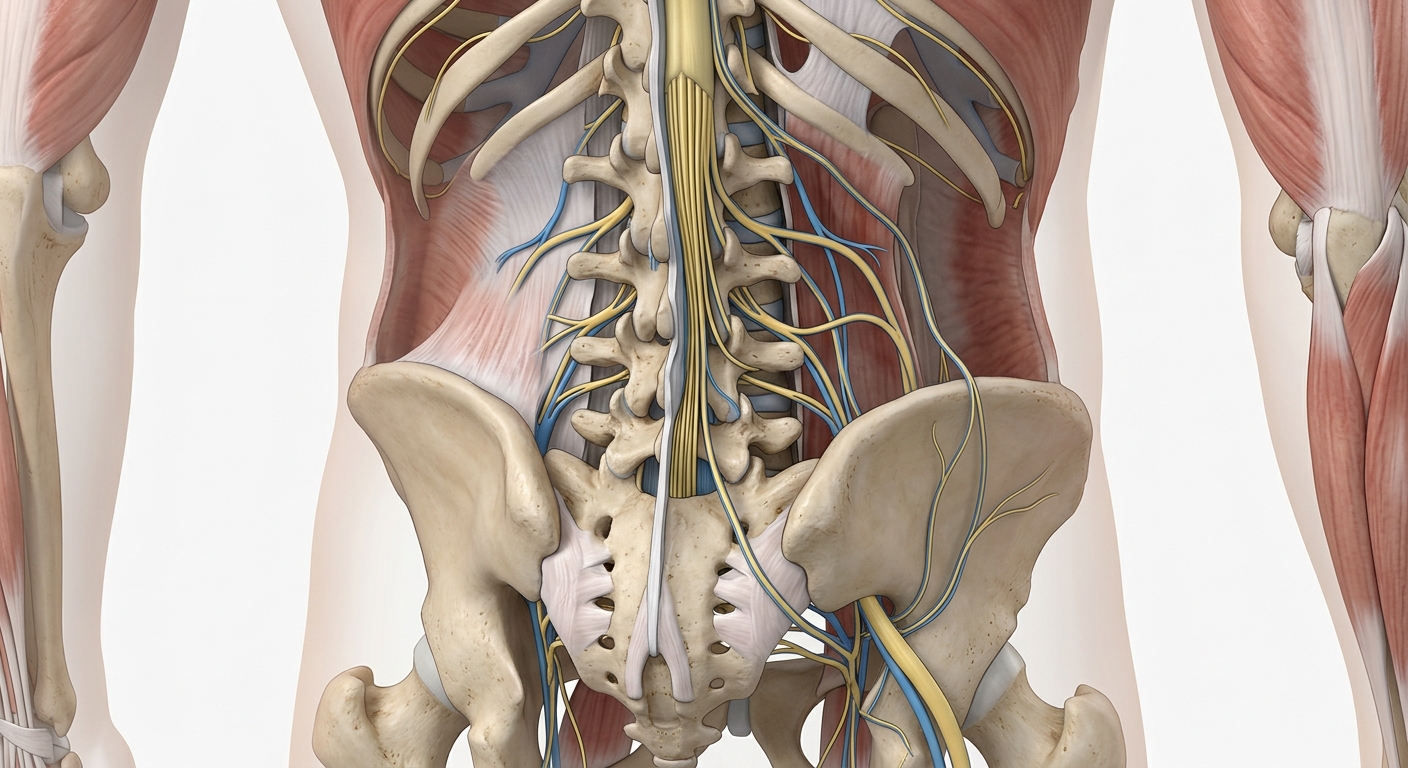
Pinched nerve symptoms work differently. The pain radiates. It follows the path of the compressed nerve, which means it can shoot down your leg if the pinched nerve is in your lumbar spine, or travel down your arm if it’s in your cervical spine. This is called referred pain, and it’s one of the clearest signs of pinched nerve back pain.
The pain often feels sharp, burning, or electric. Patients describe it as a shock that runs from their lower back all the way to their foot, or from their neck down to their fingertips. It’s not a dull ache — it’s specific, intense, and it follows a line. That’s because the nerve itself is irritated, and every signal it sends gets amplified.
If your pain started in your back but now lives primarily in your leg or arm, that’s a red flag. Muscle strain doesn’t behave that way. Nerve compression does.
We’ve had patients at Connecticut Advanced Spine who spent months thinking they had a hip problem because their pain sat in their buttock and groin. The actual issue? A pinched nerve at L4-L5 in their lower back. Once we treated the nerve compression, the hip pain disappeared entirely. The pain was never in the hip at all.
Numbness or Tingling in Specific Areas
This one’s harder to ignore once it starts. You might feel pins and needles in your foot, hand, or fingers. Or you might lose sensation entirely — like part of your leg or arm has gone to sleep and won’t wake up.
These sensations don’t come from muscle problems. They come from nerve dysfunction. When a nerve gets compressed, it can’t transmit signals properly. That disruption shows up as tingling, numbness, or a strange crawling feeling under your skin.
Here’s the pattern we see most often: lumbar pinched nerves cause symptoms in the legs and feet. Cervical pinched nerves affect the arms and hands. The specific location of your numbness can actually help us pinpoint which nerve is compressed and at what level of your spine.
Some patients describe it as a loss of feeling when they’re walking — like they’re stepping on something soft even though they’re on a hard floor. Others notice their hand feels clumsy, or their fingers don’t respond the way they expect when typing or gripping objects. These aren’t random quirks. They’re neurological symptoms.
If the numbness is constant or getting worse, don’t wait. Prolonged nerve compression can lead to permanent damage if left untreated. Early intervention protects the nerve and gives you the best chance of full recovery.

Weakness in Your Arms or Legs
This sign scares people. And it should get your attention.
When a nerve is pinched badly enough, it doesn’t just cause pain and numbness — it starts affecting muscle function. You might notice your leg feels unstable when you walk, or your grip strength has dropped noticeably. Tasks you used to do without thinking — opening a jar, walking up stairs, holding a grocery bag — suddenly feel harder.
That’s because the compressed nerve isn’t able to send proper motor signals to your muscles. The muscle itself is fine. But without clear communication from the nerve, it can’t contract effectively. The result? Functional weakness.
We see this a lot with cervical spine issues. A patient comes in complaining they keep dropping things. Their hand isn’t injured. But the nerve that controls grip strength — often the C6 or C7 nerve root — is compressed at the neck. Treat the nerve, and the grip comes back.
In the lower back, weakness often shows up in the legs. Patients report their leg “gives out” occasionally, or they feel unsteady when standing. Some notice they can’t rise up on their toes or lift the front of their foot properly. These are classic signs of nerve compression at L4, L5, or S1.
Weakness is a more serious symptom than pain alone. It suggests the nerve is under significant pressure. If you’re experiencing this, call Connecticut Advanced Spine. This isn’t something to monitor at home.
Pain That Worsens With Certain Movements
Most back pain gets better with rest and worse with activity. That’s normal. But pinched nerve back pain has specific triggers that make it flare — and they’re often unexpected.
Coughing, sneezing, or laughing can send a jolt of pain down your leg or arm. Sitting for long periods might make it worse, or standing might be unbearable while lying down feels fine. Bending forward could ease the pain, or it might make it significantly worse depending on which nerve is involved.
These patterns aren’t random. They reflect how different positions and pressures affect the compressed nerve. When you cough or sneeze, the sudden increase in spinal pressure can aggravate an already irritated nerve. When you sit, certain spinal positions narrow the space where the nerve exits, increasing compression.
One thing we notice constantly at our Bristol clinic: patients with lumbar nerve compression often feel worse sitting than standing. That surprises them. They assume sitting would be easier. But sitting increases pressure on the lower lumbar discs, which can worsen nerve compression at L4-L5 or L5-S1. Standing or walking may actually relieve some of that pressure.
On the flip side, cervical nerve issues often feel worse when you extend your neck backward or turn your head to one side. That movement can narrow the foramen (the opening where the nerve exits the spine) and pinch the nerve further.
Pay attention to what makes your pain spike. Those patterns are diagnostic clues.
Sharp Pain With Specific Positions or Activities
This overlaps with movement-related pain, but it’s worth calling out separately because of how distinctive it is.
Some patients describe a specific position that triggers intense, stabbing pain every single time. Reaching overhead. Twisting to look over their shoulder. Bending down to tie their shoes. The pain hits immediately, like an electric shock, and it’s reproducible. Do the movement, get the pain. Every time.
That reproducibility is significant. Muscle pain tends to be more variable. Nerve pain? Consistent. If a particular movement compresses the nerve, it’ll hurt in the same way each time you do it.
We’ve worked with patients who had to stop driving because turning their head to check their blind spot sent shooting pain down their arm. Others couldn’t sit through a work meeting without their leg going numb. These aren’t vague complaints — they’re specific, repeatable, and they point directly to nerve involvement.
If you can name the exact position or activity that triggers your pain, write it down before your appointment. That information helps us narrow down which nerve is affected and what’s causing the compression.

Burning or Electric Pain Instead of Dull Aching
Here’s a simple comparison: muscle pain aches. Nerve pain burns, stabs, or shocks.
If your back pain feels like someone’s pressing a hot iron against your skin, or if you’re getting jolts that feel like you’ve been zapped with static electricity, that’s nerve pain. Pinched nerve symptoms are rarely described as dull or throbbing. They’re sharp, intense, and they feel different from any muscle soreness you’ve experienced before.
Patients use words like “fire,” “lightning,” “ice pick,” or “electric current” to describe it. Some say it feels like their leg or arm is being squeezed in a vice. These descriptions all point to nerve compression.
The burning sensation happens because the nerve itself is inflamed and hypersensitive. Every signal it sends gets amplified. Even light touch can feel painful — a phenomenon called allodynia. You might notice that even your clothing brushing against the affected area is uncomfortable.
At Connecticut Advanced Spine, we take pain descriptions seriously. The words you use tell us a lot about what’s happening at the tissue level. If your pain doesn’t sound like typical muscle strain, that changes our diagnostic approach immediately.
Symptoms That Worsen at Night or Disrupt Sleep
This one frustrates people more than almost any other symptom. You’re exhausted. You lie down. And the pain gets worse.
Nighttime pain is common with pinched nerve back pain, and it happens for a few reasons. First, when you lie flat, spinal alignment changes. Depending on your sleeping position, that can increase pressure on an already compressed nerve. Second, you’re not moving. Without position changes, there’s sustained pressure on the nerve for hours at a time.
Many patients with lumbar nerve compression can’t sleep on their back. The position flattens the lumbar curve and increases disc pressure. Others can’t sleep on their side without placing a pillow between their knees to keep their pelvis aligned. Some wake up every hour because the pain spikes whenever they shift position.
Cervical nerve issues cause similar problems. Patients wake up with arm pain or numbness in their hand. They’ve been lying with their neck in a position that narrows the neural foramen, compressing the nerve all night.
Disturbed sleep isn’t just a quality-of-life issue — though it certainly affects that. It’s also a clinical sign that the nerve compression is significant enough to interfere with basic rest. That usually means conservative treatment alone won’t cut it. You need a structured plan that includes positioning strategies, possibly medication, and in some cases, more advanced intervention.
If pain is waking you up multiple times a night, don’t brush it off. That’s your body telling you something’s wrong.
Bowel or Bladder Changes (Rare but Serious)
Let’s be clear: this is uncommon. But it’s also urgent.
If you’re experiencing back pain along with new bowel or bladder dysfunction — trouble starting urination, loss of bladder control, constipation, or loss of sensation in your groin or rectal area — that’s a medical emergency. It’s called cauda equina syndrome, and it requires immediate intervention.
Cauda equina happens when severe nerve compression at the lower spine affects the bundle of nerves that control bowel, bladder, and sexual function. Left untreated, it can cause permanent loss of function. If you have these symptoms, don’t call for an appointment. Go to the emergency room.
We mention this not to alarm you — again, it’s rare — but because it’s one of the few back-related conditions that can’t wait. Most pinched nerves are painful and disruptive, but they’re not emergencies. Cauda equina is the exception.
At Connecticut Advanced Spine, we screen for this during every initial evaluation. It’s part of our standard assessment because the consequences of missing it are too significant. If you have any combination of severe lower back pain, leg weakness, and changes in bladder or bowel control, seek care immediately.
When to See a Spine Specialist in Bristol CT
So when should you stop waiting and schedule an appointment?
Here’s the honest answer: if you’ve had back pain for more than a few weeks, it’s not improving, and you’re experiencing any of the signs we just covered — radiating pain, numbness, tingling, weakness, or sleep disruption — it’s time to see someone. Not your general practitioner who’ll prescribe muscle relaxers and send you home. A spine specialist who can actually diagnose and treat nerve compression.
Dr. Ashish Upadhyay and the team at Connecticut Advanced Spine don’t guess. We evaluate. That means a thorough physical exam, neurological testing to assess nerve function, and imaging when necessary to see exactly what’s happening in your spine. We look at herniated discs, spinal stenosis, bone spurs, spondylolisthesis — any structural issue that could be compressing a nerve.
Once we know what we’re dealing with, we build a treatment plan. For many patients, that starts conservatively: physical therapy, anti-inflammatory medication, spinal injections to reduce nerve inflammation and provide pain relief. We don’t jump to surgery. But we also don’t let you suffer through ineffective treatments for months if conservative care isn’t working.
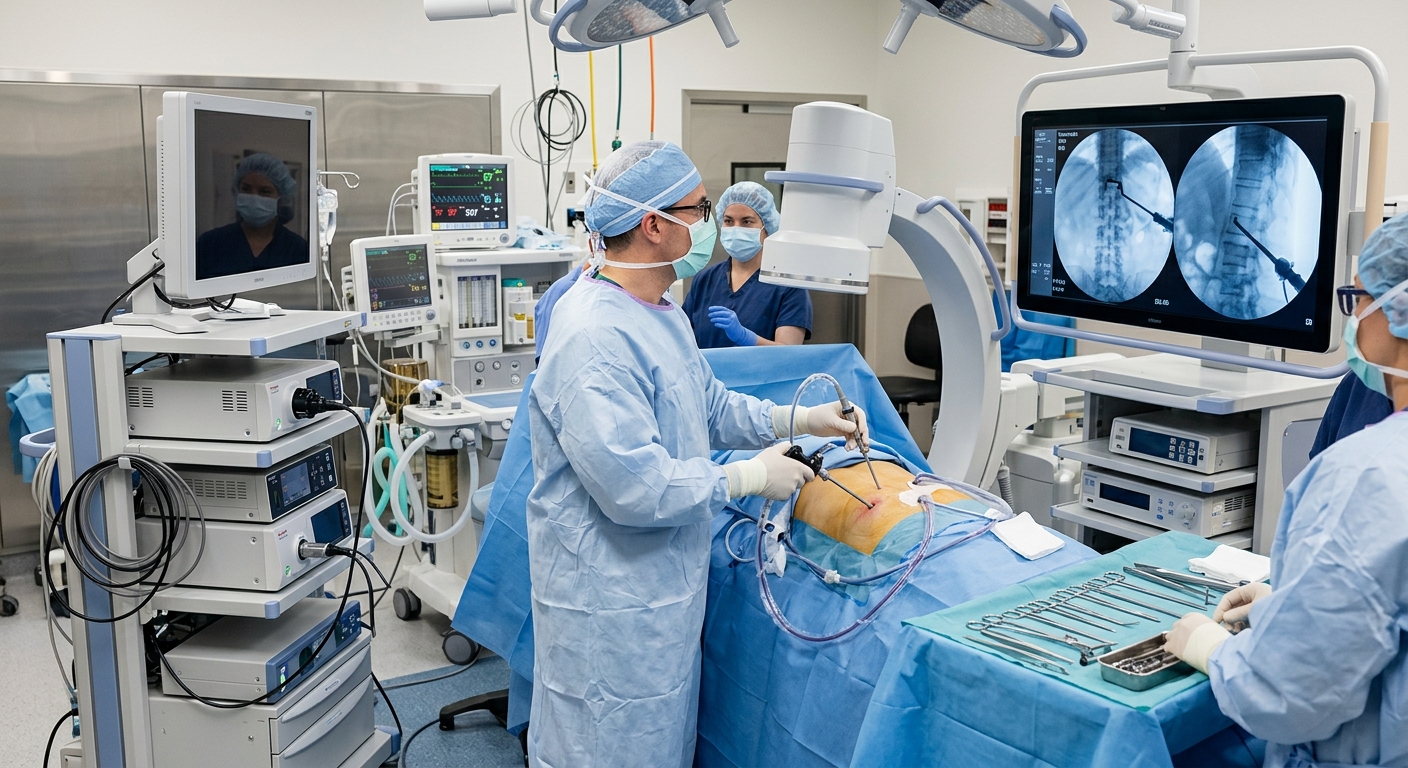
If your symptoms are severe — significant weakness, progressive numbness, or unrelenting pain despite treatment — we’ll discuss surgical options. Minimally-invasive spine surgery techniques allow us to decompress the nerve with smaller incisions, less tissue disruption, and faster recovery than traditional open surgery. Many patients go home the same day.
The key is early intervention. Nerve compression that’s caught and treated early responds better. Wait too long, and the nerve can sustain permanent damage. You don’t want to be the person who shows up after six months of worsening symptoms and finds out the nerve is no longer fully recoverable.
We’re located on Middle Street in Bristol, Connecticut, and we serve patients throughout the area. If you’re tired of guessing what’s wrong and ready for a real diagnosis, call us. We’ll figure out if your back pain is a pinched nerve, and if it is, we’ll fix it.
Frequently Asked Questions
What does pinched nerve back pain feel like compared to regular back pain?
Pinched nerve back pain typically feels sharp, burning, or electric rather than dull and achy. It often radiates beyond your back — down your leg or into your arm — and may cause numbness, tingling, or weakness. Regular back pain from muscle strain usually stays localized and doesn’t produce neurological symptoms like loss of sensation or grip strength.
Can a pinched nerve in your back heal on its own?
Some mild cases resolve with rest, activity modification, and anti-inflammatory treatment over a few weeks. However, if symptoms persist beyond four to six weeks, worsen, or include significant weakness or numbness, you need professional evaluation. Prolonged nerve compression can cause permanent damage, so early treatment protects long-term nerve function and prevents chronic pain.
What’s the fastest way to get relief from a pinched nerve?
Initial relief often comes from anti-inflammatory medication, ice or heat therapy, and avoiding positions that aggravate the nerve. For more significant compression, spinal injections can reduce inflammation around the nerve quickly. Physical therapy helps by improving spinal alignment and reducing pressure on the nerve. If conservative treatments don’t work within six to eight weeks, minimally-invasive surgical decompression may be necessary.
When is surgery necessary for a pinched nerve?
Surgery becomes necessary when conservative treatment fails after several weeks, when you have progressive weakness or numbness, or when nerve compression is severe enough to affect bowel or bladder function. Connecticut Advanced Spine uses minimally-invasive techniques to decompress the nerve with less tissue damage and faster recovery than traditional surgery. Many patients notice immediate relief once the pressure on the nerve is removed.
Get the Right Diagnosis and Treatment in Bristol
You don’t have to live with shooting pain, numbness, and sleepless nights. If your back pain matches the signs of pinched nerve back pain we’ve covered here, Connecticut Advanced Spine can help.
Dr. Ashish Upadhyay brings fellowship-trained expertise in spine care back to the Bristol community. We combine advanced diagnostic techniques with personalized treatment plans — starting with the most conservative approaches and advancing only when necessary. Our goal isn’t just pain relief. It’s restoring your quality of life and protecting your long-term nerve health.
Call Connecticut Advanced Spine today to schedule an evaluation. We’re located on Middle Street in Bristol, Connecticut, and we’re here to give you the answers and treatment you’ve been looking for.