You’ve been dealing with lower back pain for days—maybe weeks. You’ve tried stretching, heat packs, maybe some over-the-counter medication. Nothing seems to stick. You’re not alone. At Connecticut Advanced Spine, we see patients every week who’ve been managing pain on their own, often for far longer than they should. Some arrive frustrated. Others arrive scared. Most arrive confused about what’s actually happening in their spine and when they should’ve called a doctor.
Here’s what most people get wrong: they think lower back pain is just one thing with one fix. It’s not. The causes vary wildly, and so do the solutions. What works for a muscle strain won’t touch a herniated disc. What feels like “just a pulled muscle” might be spinal stenosis gradually tightening its grip. And that’s exactly why guessing your way through lower back pain rarely ends well.
Let’s clear up the myths. Let’s talk about what really causes lower back pain, when conservative care makes sense, and when waiting another week is the wrong call.
Myth 1: If It Hurts, You Probably Just Pulled Something
This is the most common assumption we hear. You bent over to pick up groceries, felt a twinge, and figured you strained a muscle. Rest it for a few days, you’ll be fine. Right?
Sometimes, yes. Muscle strains are real and they’re common. But here’s the problem: plenty of serious spine conditions start with pain that feels exactly like a muscle pull. A herniated disc doesn’t announce itself with flashing lights. Spinal stenosis doesn’t send you a text. They both start as pain—often localized to your lower back—and you assume it’s minor until it’s not.
Muscle strains typically improve within a few days to a week. If you’re still hurting after seven days, or if the pain is getting worse instead of better, that’s your first red flag. When patients tell me they’ve been “resting it” for three weeks and nothing’s changed, I know we’re not dealing with a simple strain. Muscles heal. Degenerative disc disease doesn’t just rest itself into submission.
Another giveaway: how the pain behaves. Muscle pain tends to be localized—you can point to the spot that hurts. Nerve-related pain from a herniated disc or stenosis? That radiates. It travels down your leg, causes tingling, maybe numbness in your foot. If your “pulled muscle” is now causing symptoms in your leg, we’re not talking about a muscle anymore. We’re talking about nerve compression, and that’s a different game.
We’ve had patients in Bristol who waited months thinking they’d tweaked their back lifting something heavy, only to find out they had a herniated disc pressing on a nerve root. The longer they waited, the more entrenched the pain became. Early intervention matters—not because we’re eager to rush you into treatment, but because nerve compression that goes untreated can lead to permanent damage.
If your pain hasn’t improved after a week, or if it’s moving beyond your back into your legs, don’t assume it’s just a strain. That assumption costs you time, and sometimes it costs you function.
Myth 2: Back Pain Is Just Part of Getting Older—There’s Nothing You Can Do
We hear this one constantly. “I’m 50, my back hurts, what do you expect?” Or the flip side: “I’m too young for this to be serious.”
Age does play a role in lower back pain causes, but not the way most people think. Yes, degenerative disc disease becomes more common as we age. Discs lose water content, they flatten, they stop cushioning your vertebrae as effectively. But that doesn’t mean you’re sentenced to chronic pain just because you hit 40 or 50 or 60. Plenty of people have degenerative changes on an MRI and feel perfectly fine. Plenty of younger people have serious disc injuries.
What matters isn’t your age. It’s what’s actually happening in your spine and whether it’s causing nerve compression, instability, or inflammation.
Here’s a real-world example from our practice: we treated two patients in the same month, both with lower back pain. One was 62, the other was 34. The older patient had mild disc degeneration and responded beautifully to physical therapy and spinal injections. The younger one had a severely herniated disc that required minimally-invasive spine surgery. Age didn’t predict severity. Imaging did.
The dangerous part of the “I’m just getting older” myth is that it stops people from seeking help. They assume nothing can be done, so they don’t call. They live with pain that could be managed—or in some cases, eliminated—because they’ve accepted it as inevitable. That’s not aging. That’s untreated pathology.
Osteoporosis is another age-related condition that gets dismissed as “normal aging.” It’s not. Osteoporosis weakens your vertebrae, making them vulnerable to compression fractures. If you’re over 50 and you suddenly develop severe lower back pain after a minor fall or even just bending forward, that’s a fracture until proven otherwise. We’ve seen patients ignore this for weeks, assuming it’s just their “bad back acting up again.” By the time they come in, they’ve been walking around with a fractured vertebra.
Getting older doesn’t mean accepting pain. It means being smarter about what you’re willing to ignore.
Myth 3: You Should Always Try Everything Else Before Seeing a Spine Specialist
This one frustrates me the most. Don’t get me wrong—I’m a big believer in conservative care. Physical therapy, anti-inflammatory medications, lifestyle changes—they work for a lot of people. But there’s a difference between trying conservative options and delaying a proper diagnosis because you think seeing a spine doctor means you’re “giving up” or heading straight to surgery.
Here’s what happens in reality: you spend months cycling through generic treatments that aren’t tailored to your actual condition. You try yoga. You try a chiropractor. You buy a new mattress. Maybe some of it helps a little, but the pain keeps coming back. By the time you finally see a specialist, the underlying issue has progressed. What could’ve been managed with injections now needs more aggressive intervention. What could’ve healed with targeted physical therapy is now chronic.
Seeing a spine specialist early doesn’t lock you into surgery. It gives you a diagnosis. And a diagnosis gives you a real treatment plan instead of guessing.
At Connecticut Advanced Spine, the majority of patients we see don’t end up needing surgery. They need the right diagnosis and the right non-surgical approach—whether that’s spinal injections, physical therapy tailored to their specific condition, or pain management strategies that actually address the root cause. But we can’t design that plan without knowing what’s wrong. And you can’t know what’s wrong without imaging and a proper clinical evaluation.
Here’s a pattern we see constantly: someone deals with sciatica for months. They rest. They stretch. They take ibuprofen. Finally, they come in. We order an MRI. Turns out they have a herniated disc at L4-L5 compressing the nerve root. We do an epidural steroid injection. Within two weeks, their pain drops by 70 percent. They’re back to work, back to normal activity, wondering why they waited so long.
The myth that you should “try everything first” sounds responsible. In practice, it often just delays relief.
When should you see a spine specialist? If your pain lasts more than a week without improvement. If it radiates into your legs. If you have numbness, tingling, or weakness. If you’ve lost bowel or bladder control—that’s a medical emergency, by the way. If conservative care has failed after six weeks. If your pain is getting worse instead of better.
You’re not bothering us by coming in early. You’re being smart.

Myth 4: Imaging Will Always Show What’s Wrong
This one cuts both ways. Some people think an X-ray or MRI will instantly solve the mystery. Others think imaging is overkill.
Truth is, imaging is critical—but it doesn’t tell the whole story on its own. You need clinical correlation. That’s doctor-speak for: what you feel matters just as much as what we see on the scan.
We’ve had patients come in with MRIs showing significant disc degeneration, but their pain is minimal. They’re functional. They’re not candidates for surgery because what shows up on the image isn’t causing real-world problems. On the flip side, we’ve seen patients with relatively mild findings on imaging who are in severe pain because the specific location of a disc bulge is hitting a nerve in just the wrong spot.
This is why a good spine doctor doesn’t just read your MRI and make a call. They listen to your symptoms. They do a physical exam. They correlate what you’re experiencing with what the imaging shows.
X-rays are useful for alignment, fractures, and bone structure. But they don’t show soft tissue. They won’t catch a herniated disc. For that, you need an MRI. And sometimes, depending on your symptoms, we’ll use a CT scan to get a clearer view of bony structures.
But here’s the key: imaging guides treatment. It doesn’t replace clinical judgment. If your MRI shows a herniated disc but your symptoms don’t match nerve compression, we’re not rushing you into surgery. If your imaging is clean but your pain is severe and specific, we dig deeper. Maybe it’s a facet joint issue. Maybe it’s sacroiliac joint dysfunction. Maybe it’s muscular. The point is, we don’t stop at the scan.
Lower back pain causes aren’t always visible on the first image. Sometimes it takes time, repeated exams, and a process of elimination. That’s not a failure of imaging. That’s the reality of diagnosing a complex structure like the spine.
The Real Lower Back Pain Causes You Should Know About
Let’s get specific. These are the most common causes we diagnose at Connecticut Advanced Spine, and what each one actually feels like.
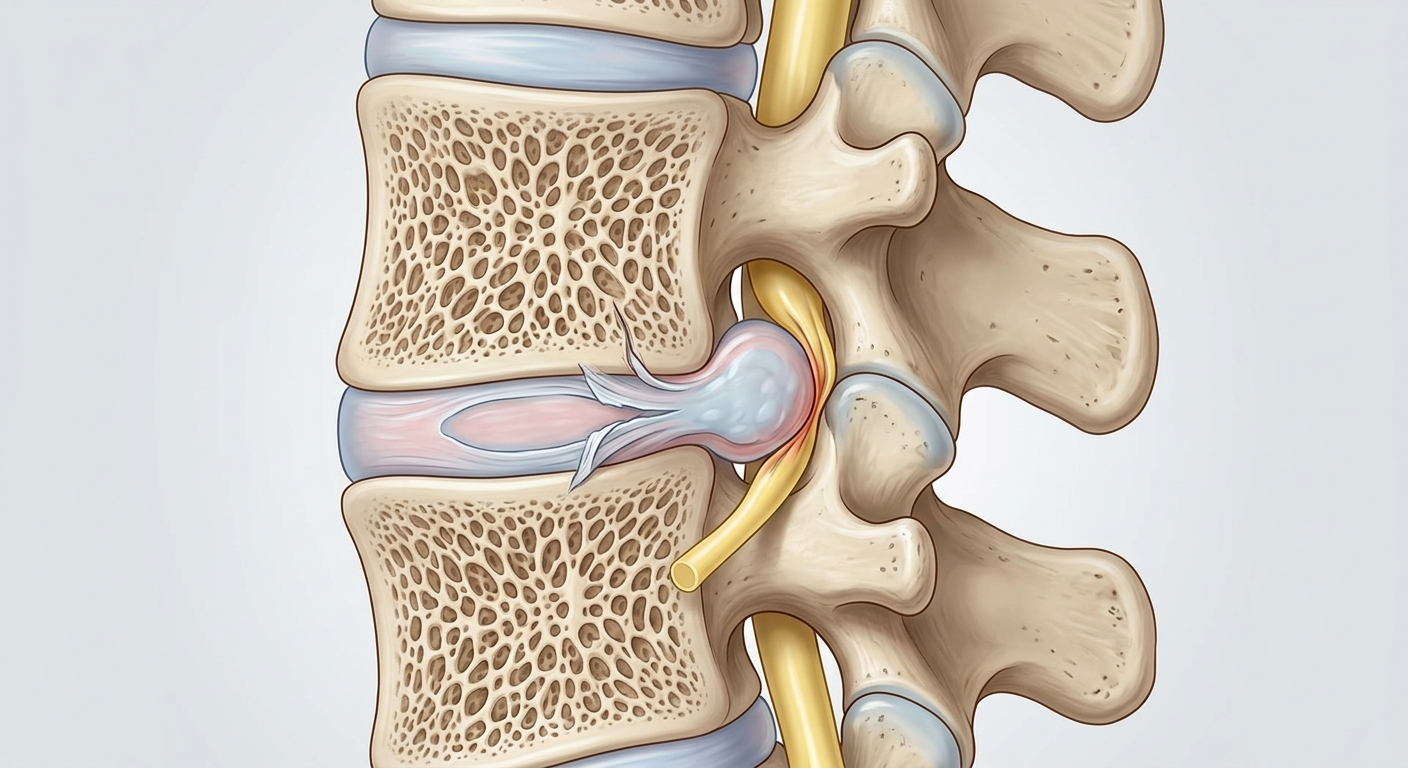
Herniated discs: Your spinal discs are cushions between your vertebrae. When the outer layer tears and the inner gel pushes out, it can press on nearby nerves. This causes sharp, shooting pain—often down one leg. You might feel tingling, numbness, or weakness. Sitting usually makes it worse. Lying down sometimes helps, but not always.
Spinal stenosis: This is narrowing of the spinal canal, often due to age-related changes, bone spurs, or thickened ligaments. It compresses the spinal cord or nerve roots. The classic sign? Pain that gets worse when you stand or walk and improves when you sit or lean forward. Patients describe it as a heavy, aching pain in the lower back and legs. Numbness and weakness can follow.
Degenerative disc disease: Despite the name, it’s not really a disease—it’s wear and tear. Discs lose height and hydration over time. This can cause chronic, low-level pain that flares with certain activities. It’s not usually as sharp as a herniated disc, but it’s persistent.
Sciatica: Technically a symptom, not a diagnosis—but people use the term, so let’s clarify. Sciatica is pain that follows the path of the sciatic nerve, which runs from your lower back down through your hips and legs. It’s usually caused by a herniated disc or spinal stenosis compressing the nerve. The pain is often described as electric, burning, or stabbing.
Facet joint dysfunction: The facet joints connect your vertebrae and allow your spine to bend and twist. When they become inflamed or arthritic, you get localized lower back pain that worsens with twisting or arching backward. It doesn’t usually radiate into the legs.
Spondylolisthesis: This is when one vertebra slips forward over the one below it. It can cause lower back pain, stiffness, and nerve compression if the slippage is significant. It’s more common in athletes and older adults.
Compression fractures: Often related to osteoporosis, these are small cracks in the vertebrae. They cause sudden, severe pain, usually after a fall or even just bending forward. The pain is sharp and localized.
Each of these conditions requires a different approach. That’s why the “wait and see” strategy falls apart. You can’t treat what you haven’t diagnosed.
When Waiting Is the Wrong Move
Some people wait too long. That’s just the reality. They tough it out, thinking it’ll resolve on its own, and by the time they come in, they’ve developed chronic pain patterns that are harder to untangle.
Here are the signs that waiting is doing more harm than good.
Pain lasting more than a week. Acute injuries heal. If yours isn’t improving within seven days, something else is going on.
Pain that radiates down your leg. This suggests nerve involvement. Nerves don’t like being compressed. The longer they’re pinched, the higher the risk of permanent damage.
Numbness, tingling, or weakness. These are neurological symptoms. They mean a nerve is under stress. Ignoring them doesn’t make them go away—it makes them worse.
Loss of bowel or bladder control. This is an emergency. It suggests cauda equina syndrome, a rare but serious condition where the nerves at the base of your spine are severely compressed. You need surgery within hours, not days.
Pain that wakes you up at night. Mechanical pain from a muscle strain usually improves when you rest. Nerve pain, inflammatory pain, or pain from a serious underlying condition? That doesn’t care if you’re lying down. If your pain is disrupting your sleep consistently, that’s a red flag.
Pain following trauma. If you fell, were in a car accident, or took a hard hit and now your back hurts, don’t assume it’s just soreness. Fractures and ligament injuries need imaging.
Pain in someone over 50 with osteoporosis risk factors. Even a minor fall can cause a compression fracture in someone with weakened bones. Sharp, sudden pain after minimal trauma should be evaluated immediately.
We’ve treated patients who waited months, even years, before calling. Some of them still got excellent results with treatment. But some of them had nerve damage that couldn’t be fully reversed. Some had chronic pain that took much longer to manage because the nervous system had “learned” the pain.
Early intervention doesn’t mean rushing into surgery. It means getting the right diagnosis and the right plan before your body compensates in ways that make recovery harder.
What Happens When You Actually See a Spine Specialist
Let’s demystify this. A lot of people avoid calling because they’re worried about what the appointment will be like. Will they push surgery? Will it be painful? Will it take forever?
Here’s how it works at Connecticut Advanced Spine, and how it should work anywhere.
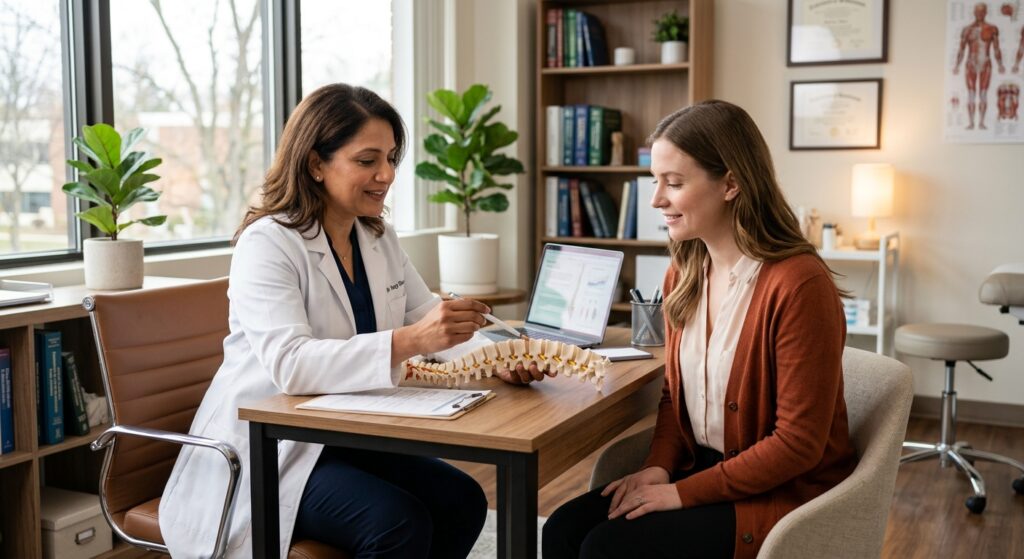
You’ll start with a detailed history. We want to know when the pain started, what makes it better or worse, whether it radiates, whether you’ve had previous back issues. We’re listening for patterns that point to specific diagnoses.
Then comes the physical exam. We’ll check your range of motion, test your reflexes, assess muscle strength, and see how your nerves are responding. A straight leg raise test, for example, can reproduce sciatica symptoms and help confirm nerve compression.
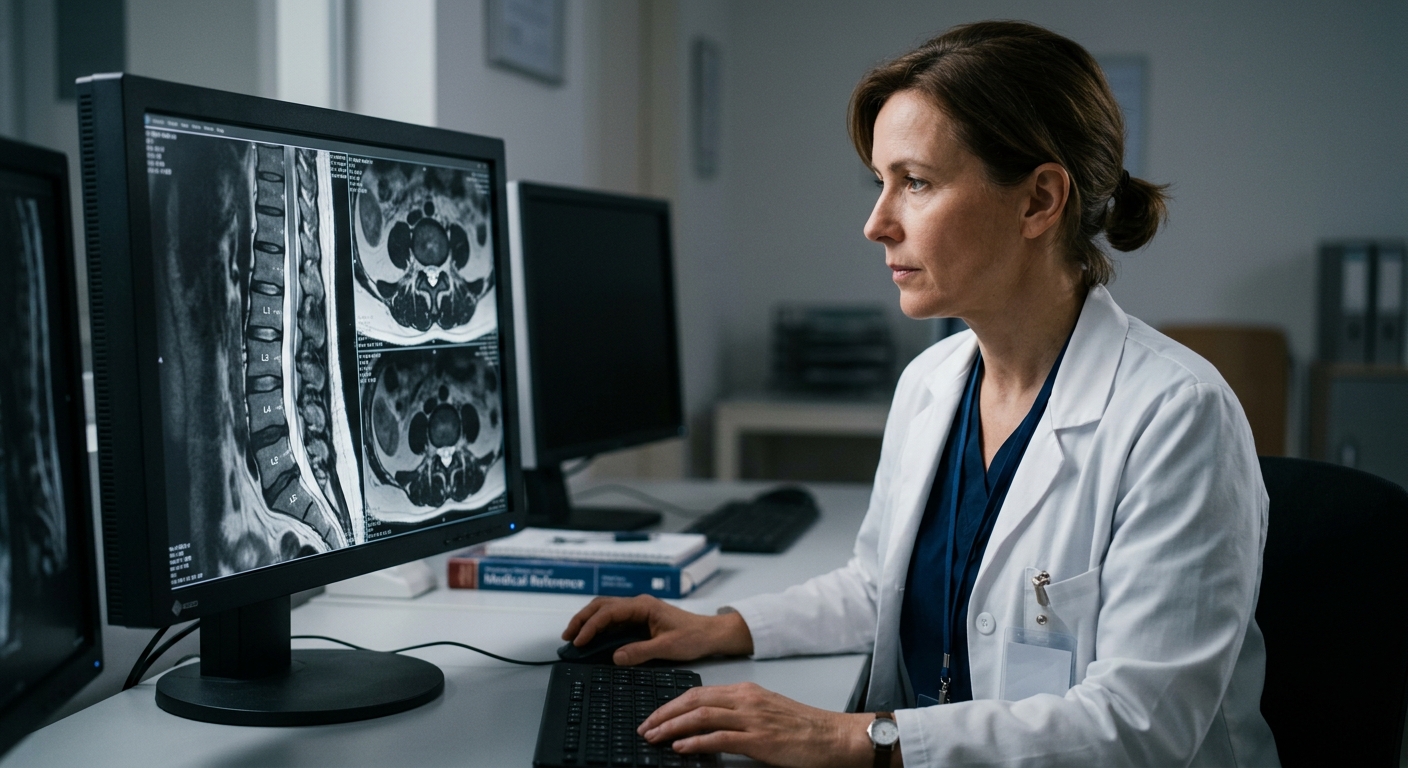
If we don’t have recent imaging, we’ll order it. MRI is the gold standard for soft tissue issues like herniated discs. X-rays help with alignment and bone structure. Sometimes we need both.
Once we have a diagnosis, we talk about options. For most patients, that starts with conservative care: physical therapy, anti-inflammatory medications, activity modification. If those don’t work, we move to spinal injections—targeted steroid shots that reduce inflammation around compressed nerves. These can provide significant relief and buy time for healing.
Surgery is always the last option, not the first. And when it is necessary, minimally-invasive spine surgery has changed the game. Smaller incisions, less tissue damage, faster recovery. Patients who once would’ve faced months of downtime are back on their feet in weeks.
But the key is this: you’re part of the decision. We’re not here to talk you into anything. We’re here to give you the information you need to make the right call for your life.
What You Can Do Right Now If Your Lower Back Hurts
If you’re reading this because your back hurts today, here’s what to do.
First 48 hours: Rest, but don’t stay in bed all day. Gentle movement is better than total inactivity. Ice for 15–20 minutes at a time if the pain is acute. Over-the-counter anti-inflammatories like ibuprofen can help if you don’t have contraindications.
Days 3–7: If the pain isn’t improving, start thinking about the next step. Pay attention to whether it’s radiating, whether you’re experiencing any neurological symptoms. Try gentle stretching, but don’t force anything that increases pain.
After one week: If you’re still in pain, it’s time to call a spine specialist. Don’t wait another month hoping it’ll resolve. Get a diagnosis. Get a plan.
Red flags that mean call now: Pain radiating into your legs, numbness or tingling, weakness, loss of bowel or bladder control, severe pain after trauma, pain that’s getting worse instead of better.
And if you’re in the Bristol area, Connecticut Advanced Spine is here. Dr. Ashish Upadhyay is a fellowship-trained, board-certified orthopedic spine surgeon who takes a conservative-first approach. We’re not here to push surgery. We’re here to figure out what’s wrong and fix it in the least invasive way possible.
Frequently Asked Questions
What are the most common lower back pain causes in adults?
The most common causes are herniated discs, spinal stenosis, degenerative disc disease, muscle strains, facet joint dysfunction, and sciatica. Each has distinct symptoms, but all can start with general lower back pain, which is why proper diagnosis matters.
When should I see a spine specialist for lower back pain?
See a spine specialist if your pain lasts more than a week without improvement, radiates into your legs, causes numbness or tingling, follows trauma, or disrupts your sleep. Early evaluation can prevent chronic pain and guide effective treatment.
Can lower back pain be serious even if imaging looks normal?
Yes. Facet joint issues, sacroiliac joint dysfunction, and muscle-related pain don’t always show up clearly on standard imaging. A thorough physical exam and clinical history are just as important as MRI or X-ray results.
What non-surgical treatments work for lower back pain?
Physical therapy, anti-inflammatory medications, activity modification, spinal injections, and pain management strategies are highly effective for many patients. Treatment depends on the underlying cause, which is why accurate diagnosis comes first.
Get the Right Diagnosis, Not Just Temporary Relief
Lower back pain causes are varied, complex, and often misunderstood. What feels like a simple muscle strain might be nerve compression. What you’ve been told is “just aging” might be a treatable condition. And what you’ve been trying to manage on your own for months might respond quickly to the right intervention—if you know what you’re actually dealing with.
You don’t have to live with chronic pain. You don’t have to guess your way through stretches and online advice. And you don’t have to wait until it’s unbearable to call a doctor.
Connecticut Advanced Spine is here to help. Dr. Ashish Upadhyay and our team provide comprehensive spine care right here in Bristol, Connecticut—starting with an accurate diagnosis and a personalized treatment plan that puts your quality of life first. Whether you need conservative care, spinal injections, or minimally-invasive surgery, we’ll walk you through every option and help you make the decision that’s right for you.
Call us today to schedule a consultation. Let’s figure out what’s really going on and get you back to the life you’re missing.
Meta Title: Lower Back Pain Causes: When to See a Spine Specialist
Meta Description: Struggling with lower back pain? Learn the real causes, when conservative care works, and when it’s time to see a spine specialist in Bristol, CT.
Primary Keyword: lower back pain causes
Secondary Keywords: when to see a spine specialist, lower back pain relief, common back pain causes, spine doctor consultation