

A patient walked into Dr. Upadhyay’s office last month. She’d been managing back pain for three years. Physical therapy helped sometimes. Pain medication took the edge off. But she couldn’t pick up her grandkids anymore. Couldn’t sit through a movie. Couldn’t sleep through the night without waking up three times to shift positions.
She didn’t want surgery. Nobody does.
But when conservative treatments stop working — and life starts shrinking around your pain — the conversation changes. You’re no longer asking “How do I avoid surgery?” You’re asking “What am I waiting for?”
Here’s the thing most people don’t understand. Back surgery isn’t the failure of conservative treatment. It’s the next logical step when your spine has a structural problem that won’t heal on its own. You don’t need it because you’re weak or impatient. You need it because something mechanical is wrong — and fixing it surgically is often the only way to get your life back.
Let’s talk about the seven signs that it’s time to see a spine surgeon. Not symptoms you Google at 2 AM and panic over. Real patterns we see in patients who benefit most from surgical intervention at Connecticut Advanced Spine.
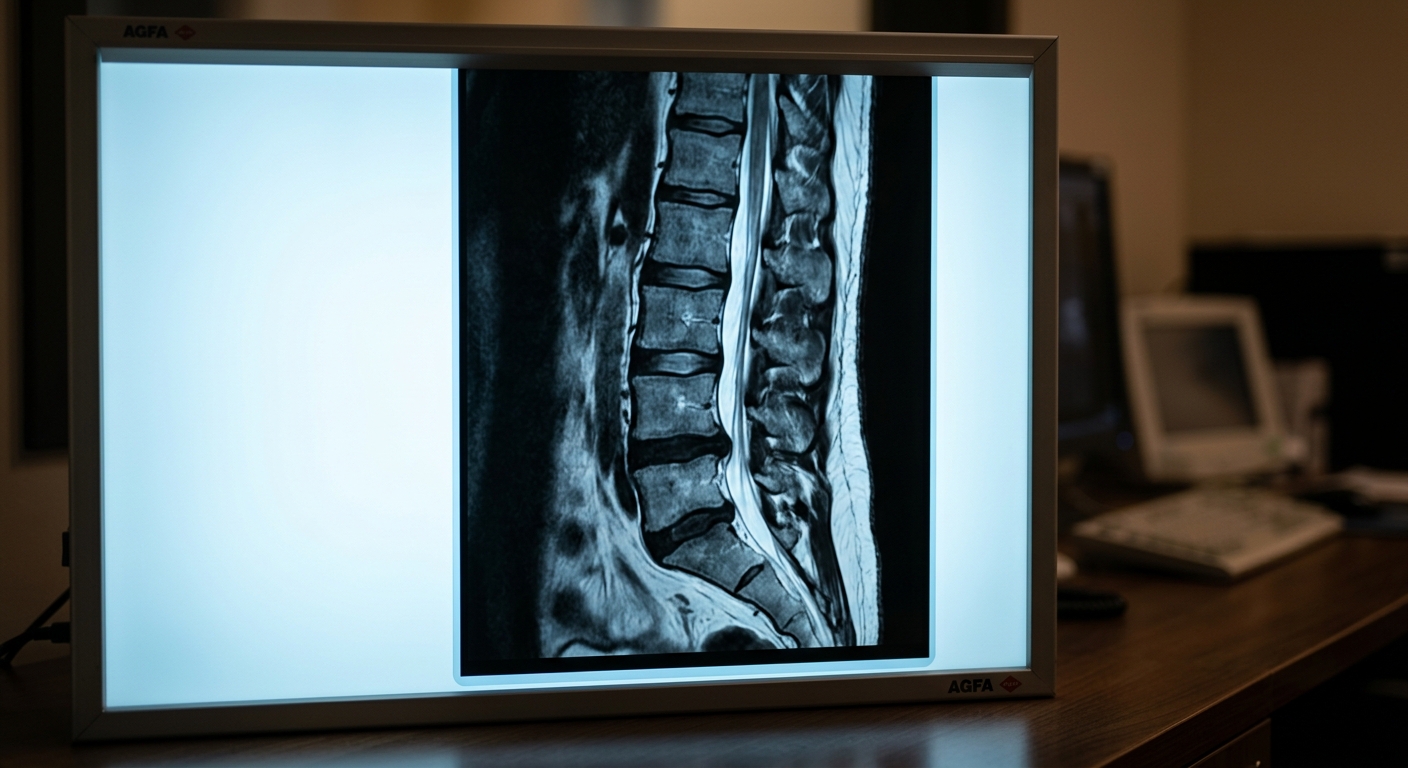
You’ve Tried Conservative Treatment for Six Months — and Nothing’s Changed
The standard timeline matters. Six to twelve weeks of conservative care — physical therapy, anti-inflammatory medications, activity modification, maybe spinal injections — should move the needle. Not cure everything, but improve function.
If you’re three months in and your pain is exactly where it started, that tells us something. If you’re six months in and still can’t do the things you did before, we’re past the point where rest and rehab will fix the underlying issue.
Conservative treatment isn’t a test you fail. It’s diagnostic. When it doesn’t work, it’s telling you there’s a structural problem — a herniated disc pressing on a nerve, spinal stenosis narrowing the canal, or instability that needs stabilization. And those things don’t reverse with stretching.
I’ve seen patients push conservative treatment to a year, sometimes two, because they’re terrified of surgery. I get it. But here’s what nobody tells you — waiting too long can make outcomes worse. Nerve compression that lasts months or years can cause permanent damage. Muscle weakness that goes untreated long enough may not fully recover even after decompression.
If you’ve given conservative care a fair shot and you’re still in pain, you’re not giving up. You’re listening to your body.
Your Pain Radiates Down Your Arms or Legs — and It’s Getting Worse
Back pain that stays in your back is one thing. Pain that shoots down your leg? That’s sciatica. Pain that radiates into your arm or hand? That’s cervical radiculopathy. Both mean a nerve is being compressed somewhere along your spine.
Radiating pain is different from localized soreness. It’s sharp, electric, burning. Patients describe it like a hot wire running from their lower back all the way to their foot. Or a stabbing sensation that starts at the base of their neck and goes straight down their thumb.
That’s not muscle pain. That’s nerve pain.
And nerve pain doesn’t respond well to rest alone. You can’t stretch away a herniated disc that’s pressing directly on your L5 nerve root. You can’t massage away bone spurs narrowing your spinal canal. These are mechanical problems requiring mechanical solutions.
At Connecticut Advanced Spine, we see this pattern constantly. A patient comes in with leg pain worse than their back pain. That’s the tell. When the leg or arm pain dominates, it usually means significant nerve involvement. And when nerve pain is progressing — getting sharper, more frequent, spreading further down the limb — that’s your body waving a red flag.
Decompression surgery, often minimally-invasive, can relieve that pressure and stop the progression before permanent nerve damage sets in.
You’re Experiencing Numbness, Tingling, or Weakness in Your Limbs
Pain is one thing. Loss of function is another.
Numbness means a nerve isn’t transmitting sensation properly. Tingling — that pins-and-needles feeling — means a nerve is being irritated. Weakness means the nerve controlling muscle function is compromised.
These aren’t just inconveniences. They’re warning signs of nerve damage.
If you can’t lift your foot properly when you walk, that’s foot drop — usually caused by compression of the L5 nerve. If you’re dropping things because your hand grip is weak, that could be cervical nerve compression affecting your C6 or C7 nerve root. If your leg buckles unexpectedly when you stand, that’s muscle weakness from prolonged nerve irritation.
Here’s what worries me as a spine surgeon. Patients often dismiss these symptoms. They think numbness is “just part of getting older” or weakness is “because I haven’t been exercising.” But when numbness or weakness is linked to a known spine condition — and it’s getting worse — that’s a surgical urgency.
Nerves can only tolerate compression for so long before damage becomes irreversible. Surgery that relieves pressure early often restores full function. Surgery that happens too late might stop further damage but can’t always reverse what’s already been lost.
If you’re noticing progressive weakness or numbness in your arms or legs, don’t wait. See a spine surgeon now.

You Can’t Sit, Stand, or Walk Comfortably for More Than 15 Minutes
Pain that limits basic function is a game-changer. Not occasional discomfort. I’m talking about pain that stops you cold.
You can’t sit through a dinner. Can’t stand long enough to cook a meal. Can’t walk from your car to the store entrance without stopping to rest. That’s not normal aging. That’s your spine telling you something structural is broken.
We see this most often with spinal stenosis — narrowing of the spinal canal that compresses nerves when you’re upright. Patients describe it as a vice tightening around their lower back and legs. Walking makes it worse. Sitting brings some relief, but not always. Leaning forward on a shopping cart helps because it opens up the spinal canal slightly.
If this sounds familiar, you’ve probably been living in a smaller and smaller world. You’ve stopped doing the things you love because the pain isn’t worth it. You plan trips around where you can sit down. You avoid social events because standing for more than a few minutes is unbearable.
That’s not living. That’s surviving.
Decompression surgery for spinal stenosis — whether laminectomy or minimally-invasive approaches — can open up that narrowed canal and give you your mobility back. Patients who wait too long often lose muscle strength and conditioning, which makes recovery harder. The earlier we intervene, the better the outcome.
Your Pain Wakes You Up at Night — Regularly
Chronic pain is exhausting. But pain that wakes you up from sleep is a different category entirely.
If you’re waking up two, three, four times a night because your back or neck pain won’t let you stay in one position, that’s a sign of severe nerve irritation or instability. It’s not just discomfort. It’s your body telling you something is mechanically wrong and getting worse.
Sleep disturbance is one of the strongest predictors we track. Patients who can’t sleep are dealing with pain severe enough that no position provides relief. That’s often a sign of advanced disc herniation, nerve root compression, or spinal instability that shifts with movement.
And here’s the thing — sleep deprivation makes everything worse. You can’t heal. You can’t function. Your pain tolerance drops. Your mental health suffers. It becomes a vicious cycle.
At Connecticut Advanced Spine, we’ve seen patients who’ve been sleeping in recliners for months because lying flat is unbearable. Others who set alarms to rotate positions every hour. Some who haven’t had a full night’s sleep in years.
Surgery often restores sleep within weeks. Decompressing a nerve or stabilizing an unstable segment means your spine can finally rest. And when you can sleep again, everything else improves — mood, energy, pain tolerance, recovery capacity.
If your pain is robbing you of sleep, don’t tough it out. That’s not strength. That’s suffering.
You’ve Lost Bowel or Bladder Control — Or You’re Having New Issues
This is the emergency sign. Not something you wait on. Not something you monitor.
Loss of bowel or bladder control — or new onset urinary retention, incontinence, or sexual dysfunction — can indicate cauda equina syndrome. That’s compression of the bundle of nerves at the base of your spinal cord. It’s rare, but it’s a surgical emergency.
If you’re experiencing any of these symptoms alongside severe lower back pain, numbness in your groin or inner thighs, or weakness in both legs, you need imaging and evaluation immediately. Cauda equina syndrome can cause permanent nerve damage if not decompressed within 48 hours.
Even if your symptoms are less severe — occasional bladder hesitancy, mild loss of sensation during urination, new difficulty with sexual function — these can still signal significant nerve compression that warrants urgent evaluation by a spine surgeon.
Don’t downplay these symptoms. Don’t wait for your scheduled follow-up. If you’re having any changes in bowel, bladder, or sexual function alongside back or leg pain, call a spine specialist that day.
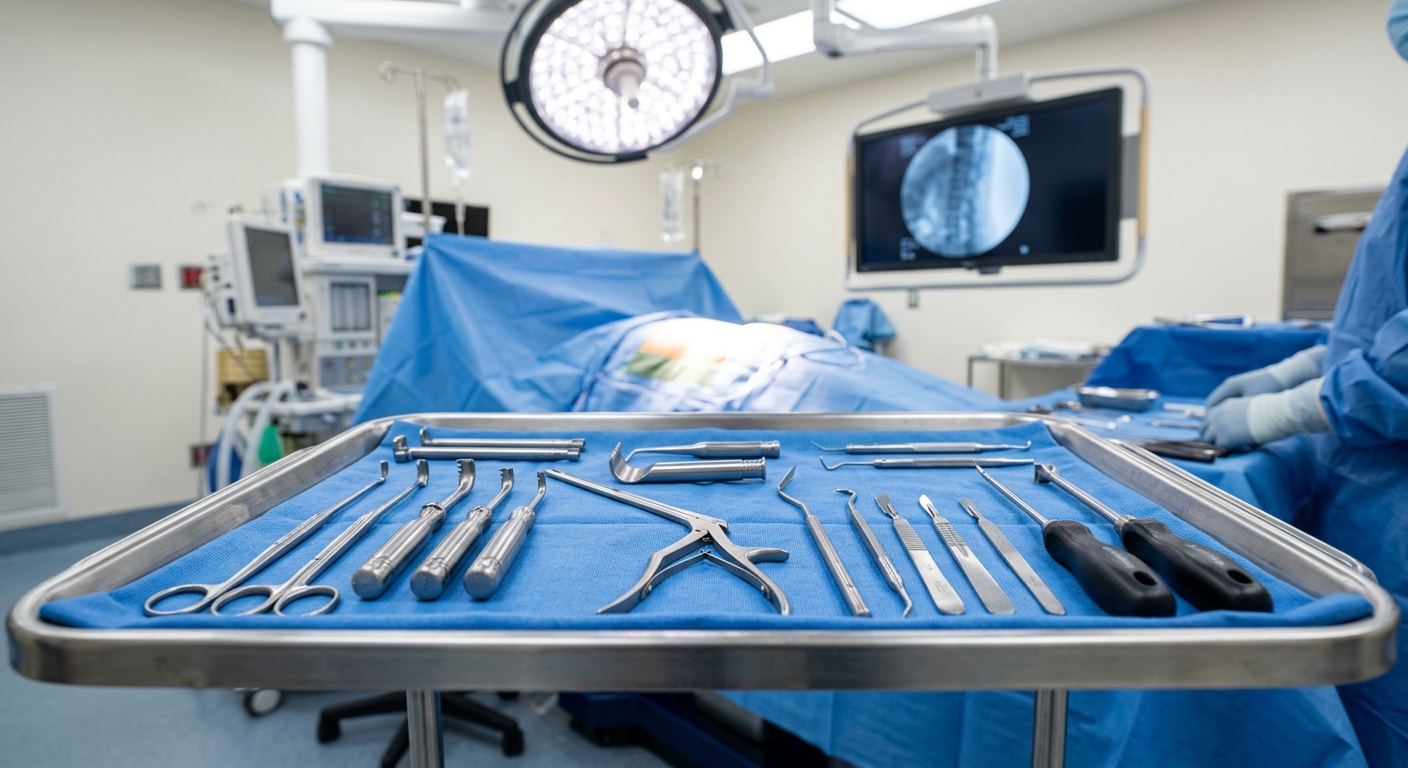
Conservative Treatments Work Temporarily — But Your Pain Keeps Coming Back
You get an epidural injection. It works for six weeks. Then the pain returns, just as bad as before. You do another round of physical therapy. It helps, but three months later you’re back where you started.
This pattern is common. And frustrating.
But it’s also diagnostic. If conservative treatments give you temporary relief but never lasting improvement, it tells us the underlying structural problem hasn’t been fixed. You’re managing symptoms, not addressing the cause.
Think of it this way. If you have a herniated disc pressing on a nerve, an injection can reduce inflammation around that nerve and give you relief. But the disc is still herniated. The mechanical compression is still there. Eventually, the inflammation comes back and so does the pain.
That doesn’t mean the injection failed. It means the disc needs to be addressed surgically — either with a microdiscectomy to remove the herniated fragment or a minimally-invasive decompression to relieve the pressure.
At Connecticut Advanced Spine, this is one of the most common presentations we see. Patients who’ve had multiple rounds of treatment, each giving some relief, but never breaking the cycle. They’re stuck in a loop of temporary fixes for a permanent problem.
Surgery isn’t about giving up on conservative care. It’s about recognizing when the structural issue needs a structural solution. And for many patients, that’s the moment they finally get lasting relief.
Frequently Asked Questions
How do I know if my back pain is serious enough to need surgery?
You know it’s serious when pain limits your daily function for more than six months despite conservative treatment, when you have radiating leg or arm pain with numbness or weakness, or when you can’t sit, stand, or walk comfortably. If your pain controls your life rather than the other way around, it’s time to see a spine surgeon for evaluation.
What’s the difference between a spine surgeon and an orthopedic surgeon?
A spine surgeon is typically an orthopedic surgeon with specialized fellowship training in spine surgery. Dr. Ashish Upadhyay at Connecticut Advanced Spine is board-certified in orthopedic surgery and completed additional fellowship training focused exclusively on spine conditions. That means advanced expertise in both surgical and non-surgical spine treatments beyond general orthopedics.
Will I definitely need surgery if I see a spine surgeon?
No. Most patients who see a spine surgeon at Connecticut Advanced Spine don’t need surgery. We start with a thorough evaluation to understand the root cause of your pain, and we only recommend surgery when conservative treatments have been exhausted or when there’s clear structural damage that won’t heal on its own. Seeing a spine surgeon is about getting an expert diagnosis, not an automatic surgical recommendation.
How long is recovery after back surgery?
Recovery time depends on the type of procedure. Minimally-invasive spine surgery often allows patients to return to light activities within two to four weeks and full activities within three months. More complex procedures like spinal fusion can take four to six months for full recovery. Dr. Upadhyay personalizes every recovery plan based on your specific surgery, overall health, and activity goals.
Ready to Take Control of Your Back Pain?
You don’t have to live with chronic pain. And you don’t have to navigate this alone.
If you’re experiencing any of the seven signs we’ve covered — persistent pain despite treatment, radiating symptoms, numbness or weakness, limited mobility, sleep disruption, bowel or bladder changes, or recurring pain after temporary relief — it’s time to get a comprehensive evaluation from a fellowship-trained spine surgeon.
Dr. Ashish Upadhyay and the team at Connecticut Advanced Spine are here to help patients in Bristol and across Connecticut find lasting relief through personalized, evidence-based care. Whether that’s advanced conservative treatment or minimally-invasive surgery, we focus on treating the root cause — not just managing symptoms.
Call our Bristol office on Middle Street today to schedule your consultation. Let’s figure out what’s really going on with your spine and build a treatment plan that gets you back to the life you want to live.