
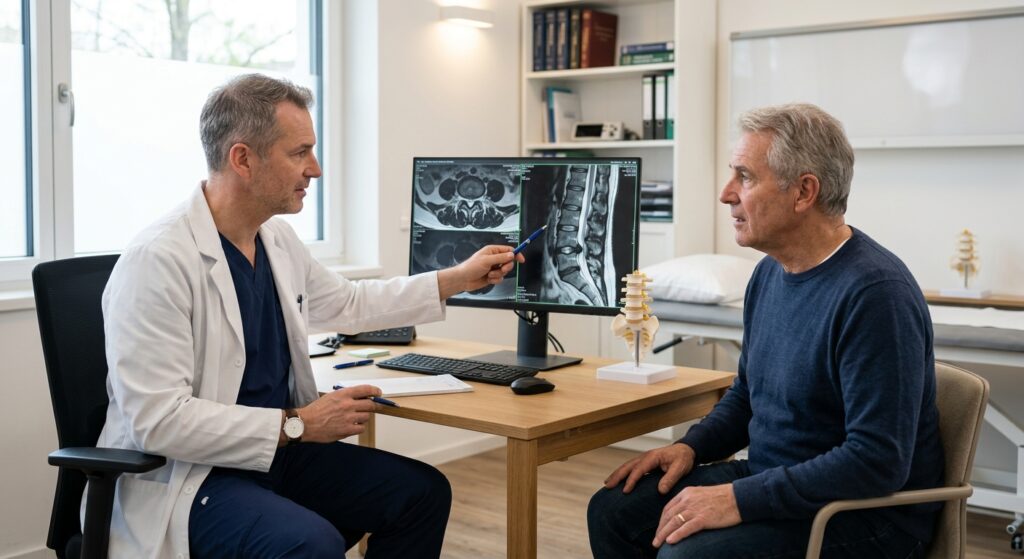
Most people with lower back pain don’t need surgery. That’s the first thing I tell patients at Connecticut Advanced Spine when they walk into our Bristol clinic convinced they need an operation. Conservative treatment — physical therapy, targeted injections, medication, lifestyle changes — resolves the majority of lumbar spine issues within weeks to months.
But not always.
Some conditions don’t respond to conservative care. Some get progressively worse despite your best efforts. And some cause neurological damage that won’t reverse without surgical intervention. Knowing when you’ve crossed that line — when surgery shifts from optional to necessary — is what this guide is about.
I’m Dr. Ashish Upadhyay, a fellowship-trained spine surgeon serving the Bristol community. I’ve seen patients wait too long and lose function they could have preserved. I’ve also seen patients rush into surgery when six more weeks of physical therapy would’ve solved the problem. The goal here isn’t to push you toward or away from lumbar spine surgery. It’s to help you recognise when it’s actually indicated, what your surgical options are, and what realistic recovery looks like.
Here’s what we’ll cover: the specific conditions that warrant surgical consideration, the non-surgical alternatives you should exhaust first, the actual surgical procedures used to treat lumbar spine conditions, how to know you’re making the right choice, and what recovery genuinely requires.
When Conservative Treatment Fails: Recognising the Signs You Need More
You’ve tried physical therapy for three months. You’ve done the home exercises. You’ve had epidural steroid injections. The pain hasn’t budged — or it’s gotten worse.
That’s the pattern I see most often at Connecticut Advanced Spine. Patients arrive frustrated because nothing’s worked. They’re not wrong to be frustrated. But frustration alone doesn’t mean you need surgery.
What does? Progressive neurological deficits. If you’re losing strength in your legs, if numbness is spreading, if you’re developing foot drop or bowel and bladder dysfunction, that’s a red flag. These symptoms suggest nerve compression severe enough that waiting could cause permanent damage. Research shows that prolonged nerve compression beyond a certain threshold — typically several months — can lead to irreversible loss of function.
Pain alone, even severe pain, usually isn’t enough. I know that’s hard to hear when you’re suffering. But chronic lower back pain without neurological involvement often responds poorly to surgery. Studies indicate that 20 to 40 percent of patients who undergo lumbar spine surgery for pain alone don’t get meaningful relief. That’s not a bet I’d encourage you to take unless we’ve truly exhausted every other option.
Watch for these specific indicators:
- Weakness that’s measurably getting worse week to week
- Pain radiating down your leg that’s more severe than the back pain itself
- Numbness or tingling that’s constant, not intermittent
- Pain that wakes you from sleep despite optimal medication
- Inability to stand or walk more than a few minutes due to leg pain or weakness
The timeline matters too. If symptoms are brand new — say, within the last four to six weeks — surgery is rarely the answer. Most acute episodes improve significantly with time and conservative care. It’s the persistent or progressive symptoms beyond three to six months that warrant surgical discussion.
What Conditions Actually Require Lumbar Spine Surgery
Not all back conditions need surgery. Most don’t. But certain diagnoses, when severe and unresponsive to conservative treatment, have strong surgical indications.
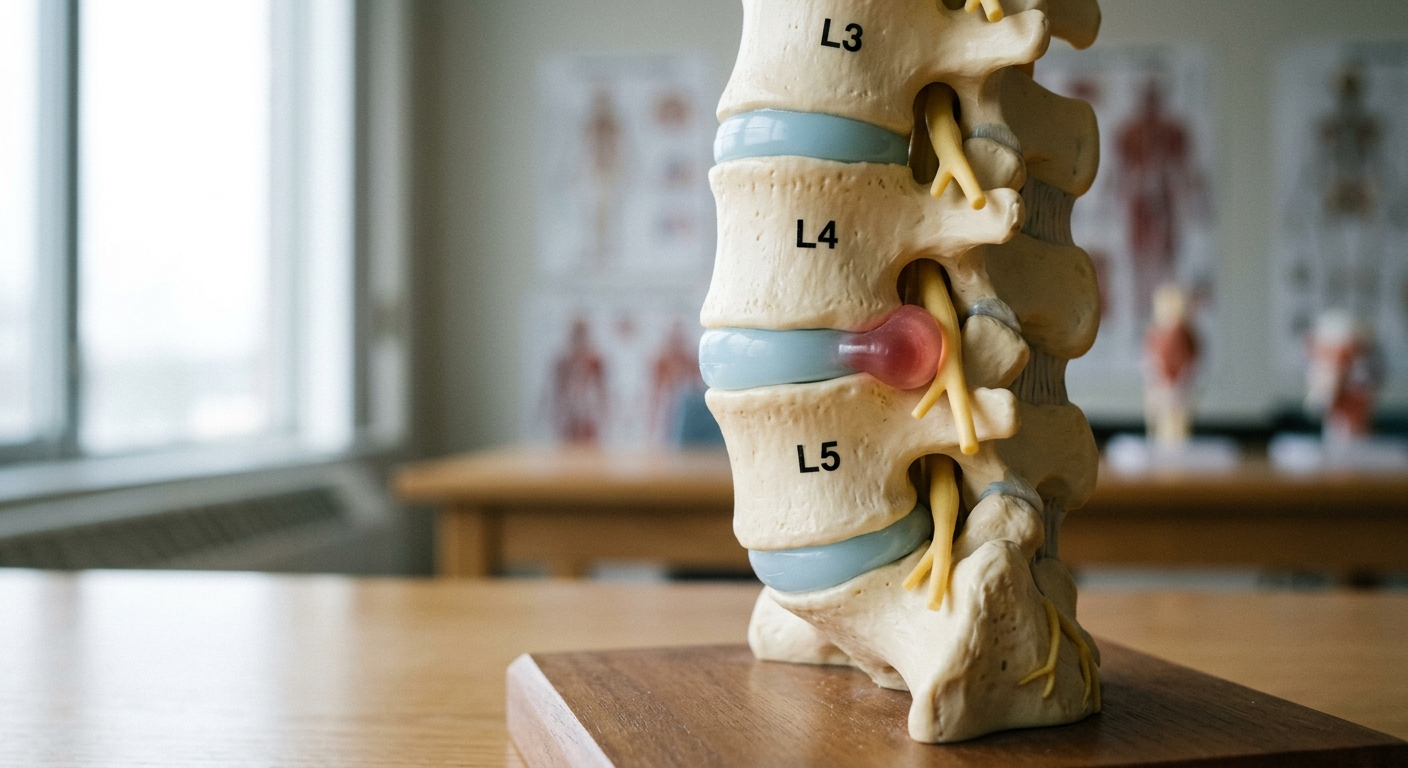
Herniated disc with radiculopathy. This is probably the most common condition I operate on. A disc in your lumbar spine ruptures, and the inner gel-like material presses on a spinal nerve. You get shooting pain down your leg — sciatica. You might get numbness, tingling, or weakness in specific areas depending on which nerve is compressed.
Here’s the thing: most herniated discs improve without surgery. Your body reabsorbs the herniated material over time. But if conservative treatment fails after six to twelve weeks, if the pain is disabling, or if you’re developing progressive weakness, surgery becomes a reasonable option. A microdiscectomy — removal of the herniated portion pressing on the nerve — has a success rate around 80 to 90 percent for leg pain relief when the right patient is selected.
Spinal stenosis. Your spinal canal narrows, usually from age-related degeneration, arthritis, and ligament thickening. Nerves get compressed. You develop neurogenic claudication — leg pain, heaviness, or weakness that comes on with walking and improves when you sit or lean forward.
Stenosis is progressive. It doesn’t reverse with physical therapy or injections, though those can help manage symptoms short-term. When you can’t walk more than a block without debilitating leg symptoms, when standing to cook dinner becomes impossible, that’s when decompression surgery — a laminectomy — makes sense. We remove the bone and ligament compressing the nerves, giving them room to function again.
Spondylolisthesis. One vertebra slips forward over the one below it, often due to degeneration of the facet joints or a stress fracture. Mild slips are common and often asymptomatic. But higher-grade slips or unstable segments can cause significant nerve compression and mechanical back pain.
Treatment depends on stability. A stable, low-grade slip might respond to physical therapy and bracing. An unstable or high-grade slip, especially one causing neurological symptoms, often requires both decompression and fusion to stabilise the spine and protect the nerves.
Degenerative disc disease with instability. Discs lose height and hydration over time. That’s normal aging. But when it leads to abnormal movement between vertebrae — instability — and mechanical pain that doesn’t respond to months of conservative care, fusion surgery might be considered.
This one’s tricky. Fusion for back pain alone has mixed results. I’m selective about who I offer this surgery to. The best candidates are those with clear instability on imaging, single or two-level disease, and pain patterns that correlate with the degenerated levels.
Cauda equina syndrome. This is the surgical emergency. Massive disc herniation or severe stenosis compresses the bundle of nerves at the base of the spinal cord. You get saddle anesthesia (numbness in the groin and buttocks), loss of bowel or bladder control, severe leg weakness. This requires immediate surgery — within 24 to 48 hours if possible — to prevent permanent neurological damage.
The Non-Surgical Path You Should Try First
Surgery’s not the starting point. It’s what we consider when everything else has genuinely failed.
At Connecticut Advanced Spine, I follow a structured conservative approach. It’s not glamorous. It requires patience and consistency. But it works for the majority of lumbar spine conditions.
Physical therapy — the right kind. Not all PT is equal. You need a therapist who understands spine mechanics, who builds a program targeting your specific condition. For stenosis, that’s flexion-based exercises and core stabilisation. For disc herniation, it might be McKenzie extension protocols early on. Generic stretching doesn’t cut it.
Plan on eight to twelve weeks of consistent therapy before you judge whether it’s working. I’ve seen patients give up after three sessions. That’s not enough time.
Spinal injections. Epidural steroid injections deliver anti-inflammatory medication directly to the inflamed nerve root. They’re diagnostic and therapeutic. If your leg pain improves significantly after an injection, that confirms the pain generator and buys you time for other treatments to work.
Injections aren’t a cure. They’re a bridge. Some patients get months of relief. Some get weeks. If you need repeated injections every few weeks just to function, that’s a sign conservative treatment isn’t holding and surgery should be discussed.
Medication management. NSAIDs reduce inflammation. Muscle relaxants address spasm. Neuropathic pain medications like gabapentin or pregabalin can help nerve-related leg pain. Opioids have a very limited role — short-term use for acute flare-ups only, not chronic management.
We’re careful with medication at our Bristol clinic. It’s support, not solution. If you’re escalating doses just to get through the day, something’s not working.
Activity modification and weight management. Losing even 10 to 15 pounds can reduce load on lumbar discs and facet joints. Avoiding prolonged sitting, heavy lifting, and repetitive bending protects irritated structures while they heal.
This isn’t exciting advice. But it’s effective. I’ve had patients avoid surgery entirely by committing to these changes over six months.
The key is giving conservative treatment a genuine trial. That means compliance, consistency, and enough time to see results. If you’ve done all that and you’re still disabled by pain or developing neurological deficits, then we talk surgery.
Minimally Invasive Lumbar Spine Surgery Options
When surgery’s indicated, you’ve got options. The goal is always the same — decompress nerves, stabilise unstable segments, restore function — but the approach varies.
Microdiscectomy. This is the gold standard for herniated disc with radiculopathy. We make a small incision, use magnification and specialised instruments to access the disc, and remove only the herniated fragment pressing on the nerve. The rest of the disc stays intact.
It’s outpatient in many cases. You’re walking the same day. Most patients notice immediate improvement in leg pain, though some numbness or tingling can take weeks to fully resolve as the nerve heals.
Success rate is high — 80 to 90 percent for appropriately selected patients. The catch is patient selection. If your primary complaint is back pain, not leg pain, microdiscectomy won’t help much. It’s a nerve decompression procedure, not a back pain cure.
Recovery’s typically four to six weeks before returning to desk work, eight to twelve weeks before heavy labor or high-impact activities. Recurrence rate is around 5 to 10 percent, usually within the first few months.
Laminectomy for spinal stenosis. We remove the lamina — the back part of the vertebra — along with thickened ligaments and bone spurs that are narrowing the spinal canal. This creates more room for the nerves.
It’s highly effective for neurogenic claudication. Patients who couldn’t walk half a block often return to normal walking distances within weeks. Back pain improvement is less predictable, but leg pain and function typically improve significantly.
Minimally invasive laminectomy uses smaller incisions and muscle-sparing techniques. You’re usually in the hospital one night, sometimes outpatient. Recovery’s six to eight weeks for most activities.
Spinal fusion surgery. When there’s instability — spondylolisthesis, severe degenerative disc disease — decompression alone isn’t enough. You need to stabilise the segment.
Fusion involves placing bone graft between vertebrae and using screws and rods to hold everything in place while the bone grows together. Over three to six months, the vertebrae fuse into a single solid bone.
This one’s a bigger operation. Hospital stay is typically one to three days. Recovery’s longer — three months before returning to most normal activities, six to twelve months before you’re fully healed and can judge the final result.
Success depends heavily on patient selection. Single-level fusions for clear structural instability and nerve compression do well. Multi-level fusions or fusions done primarily for back pain have more variable outcomes.
We use minimally invasive techniques whenever possible — smaller incisions, less muscle damage, faster recovery. But some complex cases require traditional open approaches for safety and thoroughness.
Artificial disc replacement. This is an alternative to fusion for select patients — typically younger individuals with single-level disc degeneration and no significant facet arthritis or instability. We remove the degenerated disc and replace it with a mobile prosthesis that preserves motion.
It’s not for everyone. Strict criteria apply. But in the right patient, it can avoid the adjacent segment stress that sometimes occurs after fusion.
At Connecticut Advanced Spine, I walk every patient through the pros and cons of each option relevant to their specific condition. There’s rarely one “right” answer. It’s about matching the procedure to your anatomy, symptoms, goals, and overall health.
How to Know If You’re Making the Right Decision
Surgery’s a big step. You should feel confident, not pressured.
Here’s how I approach the decision-making conversation at our Bristol clinic. First, we confirm the diagnosis matches the symptoms. MRI shows a herniated disc at L4-L5? Great. Does your leg pain follow the L5 nerve distribution? If yes, we’ve got correlation. If no, if your symptoms don’t match the imaging, surgery’s probably not the answer.
Second, we document that conservative treatment’s truly been tried and failed. I’m talking months, not days. Multiple modalities. Genuine compliance. If you skipped half your PT sessions and never tried injections, we’re not there yet.
Third, we set realistic expectations. Surgery for a herniated disc relieves leg pain well but back pain less predictably. Fusion stops motion, which stabilises the segment but can stress adjacent levels over time. Recovery takes months, not weeks. You’ll need to modify activities during healing. Some patients never get 100 percent back to pre-injury function, even with successful surgery.
I also tell patients what won’t improve. If you’ve had chronic numbness for two years, surgery might stop it from getting worse, but it probably won’t reverse entirely. If you’ve lost muscle bulk in your calf from prolonged nerve compression, strength might not fully return even after decompression.
Get a second opinion. I encourage it. A good surgeon isn’t threatened by another set of eyes on your case. If two experienced spine surgeons independently recommend the same procedure, that’s reassuring. If they disagree significantly, dig deeper into why.
Ask these questions during your consultation:
- What happens if I don’t have surgery?
- What’s the natural history of my specific condition?
- What’s your complication rate for this procedure?
- How many of these operations do you do per year?
- What does recovery actually look like week by week?
- What percentage of your patients with my condition are satisfied one year out?
If a surgeon can’t or won’t answer these directly, find someone who will. You’re trusting this person with your spine. You deserve transparency.
Finally, trust your gut. If something feels off — if you feel rushed, if the risks aren’t being discussed, if the surgeon seems dismissive of your questions — get another opinion. The right surgeon will make you feel informed and supported, not sold.
What Lumbar Spine Surgery Recovery Really Looks Like
Recovery’s longer and harder than most patients expect. I say that not to discourage you, but to prepare you.
Week one post-op. You’re managing pain, getting up to walk several times a day, and focusing on basic self-care. Pain’s usually significant but controlled with medication. You’re not doing anything strenuous. No bending, lifting, or twisting. You need help at home for at least the first few days.
Weeks two through six. Pain gradually improves. You’re weaning off stronger medications. You’re walking more — short walks multiple times daily. You start outpatient physical therapy around week two to four, depending on the procedure. Therapy focuses on gentle mobility, core activation, and gradual strengthening.
This phase is frustrating. You feel better than week one, so you want to do more. But you’re not healed. Overdoing it now causes setbacks. I see this all the time — patients feel good at week three, they lift something heavy or spend a day on their feet, and they’re back in my office with increased pain and swelling.
Weeks six through twelve. Function improves noticeably. You’re walking longer distances. You’re returning to light work if you have a desk job. PT intensity increases. You’re building strength and endurance.
For procedures like microdiscectomy, many patients are close to normal activity by twelve weeks. For fusion, you’re still early in the healing process. The bone graft is starting to incorporate, but you’re not fully fused yet.
Three to six months. This is where fusion patients start feeling significantly better. The bone is solidifying. Pain continues to decrease. You’re transitioning to normal activities with fewer restrictions.
For all procedures, nerve recovery lags behind structural healing. If you had significant nerve compression before surgery, numbness and tingling can take months to fully resolve. Some residual symptoms are common and don’t necessarily mean surgery failed.
Six to twelve months. You’re judging the final result. Fusion patients reach maximum improvement around the one-year mark. By now you know whether surgery achieved your goals.
Most patients are satisfied. But not all. Some get good pain relief but still have functional limitations. Some have adjacent segment issues develop years later. Some trade one problem for another — less leg pain, but persistent back stiffness after fusion.
Complications happen. Infection occurs in 1 to 3 percent of cases despite prophylactic antibiotics. Nerve injury is rare but possible. Dural tear — a tear in the covering of the spinal cord — occurs in 1 to 5 percent of decompressions; it’s usually repaired during surgery without long-term consequences. Hardware failure or pseudarthrosis (failure of fusion) occurs in a small percentage of fusion cases, sometimes requiring revision surgery.
At Connecticut Advanced Spine, we manage complications aggressively when they occur. But the best strategy is prevention — meticulous surgical technique, appropriate patient selection, and realistic goal-setting from the start.
The Role of Physical Therapy Before and After Surgery
PT isn’t optional. It’s central to success whether you have surgery or not.
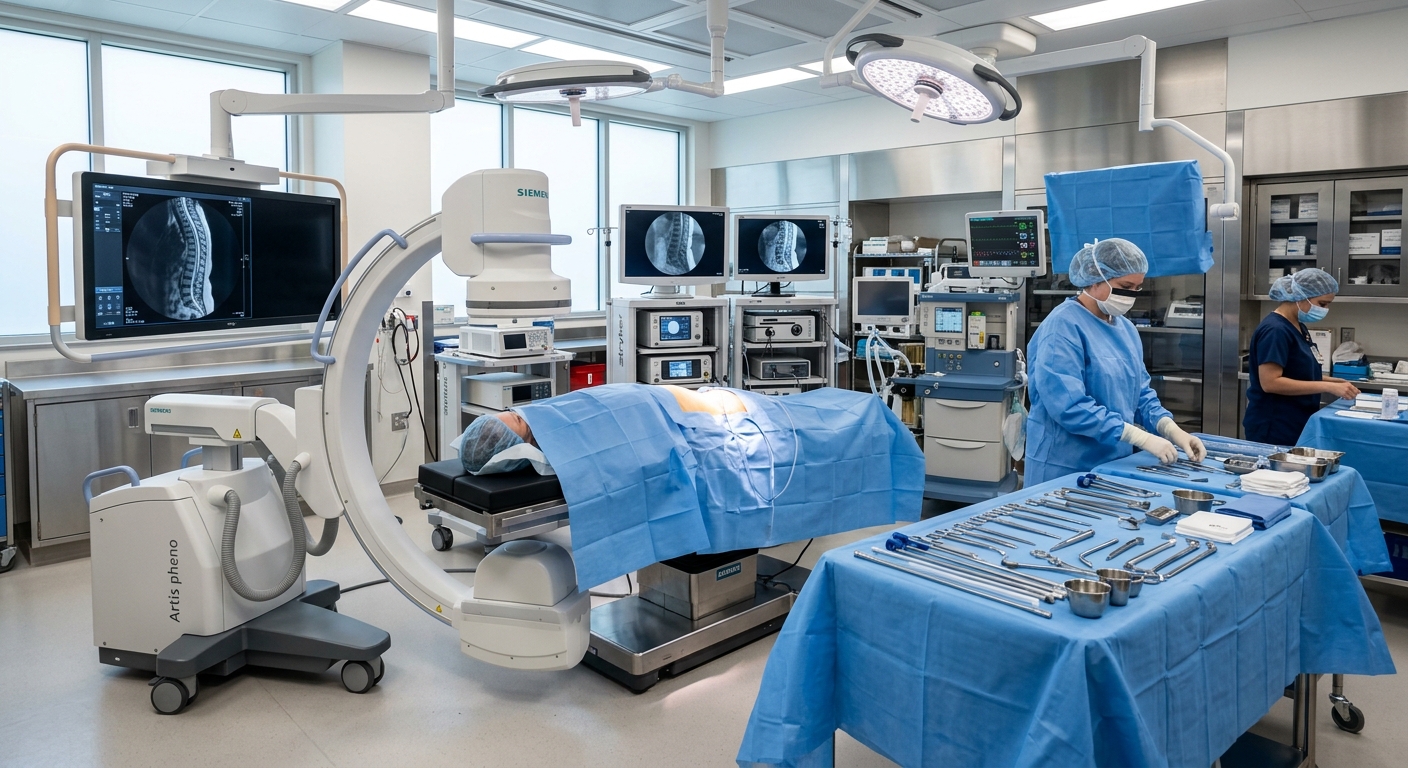
Pre-surgical PT — what we call prehabilitation — conditions your body for the stress of surgery and recovery. You build core strength, improve flexibility, and learn proper movement patterns. Patients who do prehab tend to recover faster and have better outcomes.
Even if PT doesn’t resolve your symptoms enough to avoid surgery, it’s still valuable. You’re learning the exercises you’ll need post-op. You’re building a relationship with your therapist. You’re mentally preparing.
Post-surgical PT starts once your surgeon clears you — typically two to four weeks after most lumbar procedures. Early PT focuses on gentle range of motion, scar tissue management, and restoring normal movement patterns. You’re not strengthening aggressively yet. You’re re-educating your nervous system and preventing stiffness.
Around six weeks, intensity increases. You’re building core stability, hip strength, and overall conditioning. Good PT doesn’t just work your back. It addresses the entire kinetic chain — hips, pelvis, legs — because weakness in these areas contributes to lumbar strain.
By three months, you’re doing functional exercises that mimic real-life activities. You’re learning how to lift, bend, and move safely. You’re building endurance.
I can’t overstate this: patients who commit to PT have better long-term outcomes than those who skip it. Surgery decompresses the nerve or stabilises the segment. PT restores function and prevents recurrence.
At our Bristol clinic, we work closely with local physical therapists who understand spine surgery. We communicate regularly about your progress. If something’s not going as expected, we adjust the plan.
Expect PT two to three times per week initially, tapering to once weekly, then to a home program over three to six months. Total commitment is typically three to six months of supervised therapy, then ongoing home exercises indefinitely.
When Lumbar Spine Surgery Isn’t the Answer
Surgery doesn’t fix everything. Some conditions don’t respond well. Some patients aren’t good surgical candidates.
Chronic pain syndrome. If you’ve had back pain for years, tried multiple surgeries already, and developed central sensitisation — where your nervous system amplifies pain signals independent of structural pathology — more surgery usually makes things worse, not better.
These patients need a multidisciplinary pain management approach. Cognitive behavioral therapy, medication management, functional restoration programs. Surgery rarely helps and often adds another layer of scar tissue and dysfunction.
Smoking. Active smokers have significantly higher fusion failure rates and complication rates. Nicotine constricts blood vessels and impairs bone healing. If you smoke and you need fusion, you need to quit at least four weeks before surgery and stay quit during the entire healing process. Non-fusion procedures are less affected, but complication risk is still higher.
Severe osteoporosis. If your bone quality is poor, screws won’t hold. Fusion won’t work. We sometimes use bone-strengthening medications and wait months before attempting surgery. Sometimes surgery just isn’t safe.
Unrealistic expectations. If you expect surgery to make you 20 years old again, to eliminate every ache, to restore you to pre-injury athletic performance when you’re 65 with multilevel degeneration, you’ll be disappointed. Surgery improves function. It reduces pain. But it doesn’t reverse decades of aging or degeneration.
Psychosocial factors. Depression, anxiety, job dissatisfaction, pending litigation, and secondary gain issues all predict worse surgical outcomes. That doesn’t mean these patients don’t deserve treatment. But surgery alone won’t address the complex biopsychosocial factors driving their pain experience.
I’ve turned down surgical candidates who didn’t meet criteria. It’s not a popular decision in the moment. But operating on the wrong patient doesn’t help anyone. They don’t get better, they blame the surgeon, and they often end up worse than before.
Surgery’s a tool. It’s effective for the right indications in the right patients. Used inappropriately, it causes harm.
Frequently Asked Questions
How long does lumbar spine surgery take?
Most lumbar procedures take one to three hours depending on complexity. A single-level microdiscectomy might take 45 minutes to an hour. A multi-level fusion can take three to four hours. Surgical time isn’t a quality indicator — thoroughness and safety matter more than speed.
Will I need to wear a brace after lumbar spine surgery?
It depends on the procedure. After microdiscectomy or laminectomy, bracing usually isn’t required. After fusion, some surgeons use a brace for the first six to twelve weeks to limit motion and protect the fusion while it heals. I tend to use braces selectively, mainly for patients at higher risk of non-union or those who have physically demanding jobs.
Can lumbar spine surgery be done as an outpatient procedure?
Yes, many minimally invasive lumbar procedures are now done outpatient or with a 23-hour observation stay. Microdiscectomy and single-level laminectomy often qualify. Multi-level decompressions or fusions typically require one to three nights in the hospital. Your overall health, the complexity of the procedure, and your support system at home all factor into the decision.
What’s the success rate of lumbar spine surgery?
It varies by procedure and condition. Microdiscectomy for herniated disc with radiculopathy has a success rate around 80 to 90 percent for leg pain relief. Laminectomy for stenosis improves walking ability and leg symptoms in 70 to 85 percent of patients. Fusion outcomes are more variable — 60 to 80 percent report significant improvement, but results depend heavily on patient selection and the specific indication for fusion. Success also depends on how you define it — complete pain elimination, functional improvement, or return to work.
You Don’t Have to Decide Alone — Let’s Talk About Your Specific Case
Lumbar spine surgery isn’t something you rush into. But it’s also not something to avoid when it’s genuinely indicated. The key is knowing where you fall on that spectrum.
At Connecticut Advanced Spine, we approach every case individually. We review your imaging, your symptoms, your treatment history, and your goals. We discuss all options — surgical and non-surgical. We give you the information you need to make the best decision for your situation.
If you’re dealing with persistent lower back pain, leg pain that won’t resolve, or neurological symptoms that are progressing despite conservative treatment, it’s worth having a conversation. You might not need surgery. But you deserve to know whether it’s an option, what it would involve, and what realistic outcomes look like.
You can reach our Bristol office on Middle Street to schedule a consultation. We’ll take the time to answer your questions, examine you thoroughly, and develop a treatment plan that makes sense for your life. Because ultimately, this isn’t about whether surgery is good or bad. It’s about whether it’s right for you, right now, for your specific condition.
You don’t have to keep suffering. You also don’t have to jump into surgery prematurely. Let’s figure out together what the right path forward is.